Mozambique and Islamist Insurgency (Civilians Beheaded)
Kanako Mita, Sawako Utsumi, and Lee Jay Walker
Modern Tokyo Times
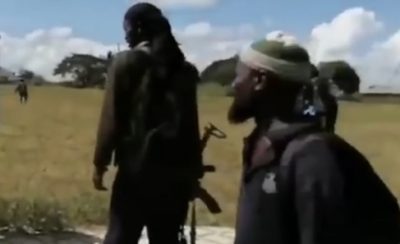
The Islamist insurgency in northern Mozambique grinds on relentlessly, with civilians bearing the overwhelming burden of its brutality. Periods of relative calm are deceptive; lulls in violence routinely give way to sudden, ferocious escalations. Thus, despite external military backing—including the significant support provided by Rwanda—genuine peace in Cabo Delgado remains a distant and fragile hope.
Since the insurgency first erupted in 2017, an estimated 6,000 people have been killed. As in Nigeria, Islamist militants have targeted Christians and Muslims alike, tearing at the social fabric of mixed-faith communities. Yet, also mirroring Nigeria, Christians are frequently singled out for particularly gruesome massacres.
The latest surge in violence forced roughly 100,000 people to flee in terror, expanding the conflict into districts previously considered safe. In total, between 1.3 and 1.4 million civilians are now displaced across Cabo Delgado and surrounding regions. UN News reports, “It spread this year beyond the province and into Nampula, threatening communities that had previously hosted displaced families,” underscoring the deteriorating security landscape.
Militants routinely deploy the most barbaric methods—beheadings, hacking to death, disappearances, and other atrocities—emulating the worst excesses of extremist groups elsewhere in the world. Xavier Creach of the United Nations highlighted the horrors: “Civilians were killed, some were even beheaded,” adding that families fled “at night in the most chaotic manner.”
According to the Institute for Security Studies, “Over the past eight years, the Mozambican government has responded almost exclusively with a military approach… Yet none has succeeded in neutralising the threat.”
Children and women continue to be abducted, entire villages are terrorised, and the psychological wounds deepen with every passing year.
Compounding this brutal reality is Mozambique’s entrenched political malaise. Enduring Frelimo dominance—marked by corruption, cronyism, and a deepening gulf between state and society—has eroded public trust. The International Crisis Group notes that mistrust is widespread, with elections consistently marred by accusations of fraud. The 2023 municipal elections, in which Frelimo claimed 64 of 65 municipalities, ignited widespread allegations of rigging; subsequent legal challenges forced several reruns, and the Constitutional Council ultimately awarded Renamo four municipalities.
This crisis, therefore, is not merely a military conflict—it is a convergence of social grievances, political decay, and extremist exploitation. If Mozambique cannot defeat the insurgency through force alone, then it must adopt a fundamentally different strategy: one rooted in rebuilding trust, protecting all communities—Christian and Muslim alike—and addressing the economic marginalisation that fuels resentment. Security must go hand in hand with genuine governance reforms and tangible developmental support for the long-neglected north.
Without such a shift, Cabo Delgado risks becoming a permanent theatre of suffering—its people trapped between an uncompromising insurgency and a faltering state apparatus unable to safeguard their future.

Modern Tokyo News is part of the Modern Tokyo Times group
http://moderntokyotimes.com Modern Tokyo Times – International News and Japan News
http://sawakoart.com – Sawako Utsumi and her website – Modern Tokyo Times artist
https://moderntokyonews.com Modern Tokyo News – Tokyo News and International News
PLEASE JOIN ON TWITTER
https://twitter.com/MTT_News Modern Tokyo Times
PLEASE JOIN ON FACEBOOK