
Japanese Art and the Delicate World of Hayami Gyoshū
Lee Jay Walker
Modern Tokyo Times
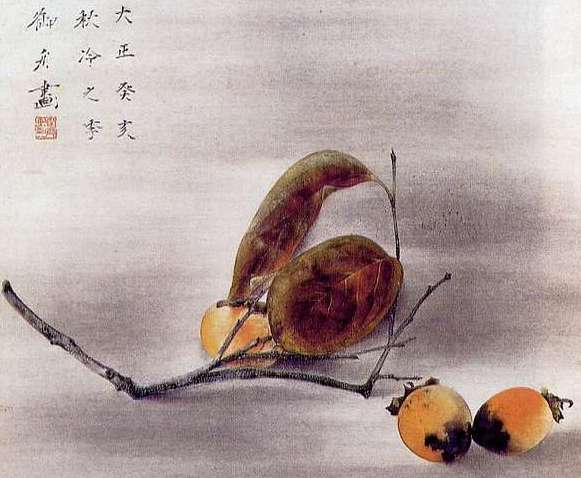
The Japanese artist Hayami Gyoshū (1894–1935) lived during a period of profound transformation, when modernization was reshaping Japan and political tensions were intensifying. He blossomed during the Taishō period according to the comparatively open atmosphere. This concerns cultural experimentation. Despite this, the forces of extreme nationalism would increasingly dominate the political landscape as the country moved into the Shōwa era. Against this turbulent backdrop, the art of Gyoshū reveals a world enriched by nature, cultural inheritance, artistic passion, and an unceasing curiosity about the possibilities of expression.
Through the prism of his art, Gyoshū invites us into a realm far removed from the ideological conflicts and political upheavals of his lifetime. His paintings possess an extraordinary sensitivity to the natural world, where delicate forms, subtle colours, and carefully considered compositions encourage the viewer to pause and contemplate. Yet this quiet beauty should not be mistaken for artistic simplicity. Beneath the apparent stillness lies a restless imagination, one that sought to explore the relationship between established traditions and the evolving language of Japanese painting.
Although Gyoshū embraced aspects of modern artistic development, he remained deeply enthralled by the artistic inheritance of earlier generations. The decorative elegance of Yamato-e, the distinctive sensibilities of the Rinpa school, and the literati traditions of Bunjinga all formed part of the wider cultural landscape through which his artistic vision developed. Rather than merely reproducing the past, Gyoshū absorbed and reconsidered these influences, allowing inherited forms and contemporary sensibilities to coexist. In this respect, his art reflects a broader conversation within Japanese culture: how to welcome new ideas without abandoning the distinctive spirit of earlier traditions.
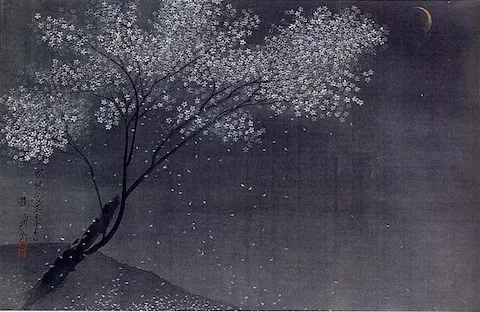
Despite being born during the Meiji period, Gyoshū’s formative artistic years belonged principally to the Taishō and early Shōwa eras. The relative cultural openness of Taishō Japan offered opportunities for artistic exploration before increasingly nationalistic currents placed greater pressure on the country’s intellectual and cultural life. Gyoshū’s work, however, continued to demonstrate the enduring richness of Japanese artistic traditions, alongside a willingness to investigate new possibilities of form, atmosphere, and expression.
The Miyagi Museum of Art provides an important glimpse into the development of his career, stating: “Hayami Gyoshu was born in Tokyo. In 1908 at 14, he studied under Matsumoto Fuko and around 1911 joined the Koji-kai. In 1914 he showed his work in the first exhibition of the re-established Nihon Bijutsu-in and was recommended for the status of Friend of the Institution. In 1917 he became a full member and centered his artistic activities around its exhibitions thereafter.” These formative years reveal a young artist who entered the professional art world remarkably early and quickly established himself within an important institution dedicated to the renewal and advancement of Japanese painting.
Gyoshū’s devotion to art also invites us to imagine the lively exchanges that shaped the artistic circles in which he moved. Questions of technique, cultural identity, aesthetic ideals, and the future direction of Japanese painting would have provided fertile ground for debate. Such environments are rarely defined by a single voice. Artists influence one another through admiration, disagreement, experimentation, and the continual reassessment of inherited ideas. Gyoshū was part of this wider creative conversation, contributing his own distinctive sensibility while absorbing the energies and aspirations of his contemporaries.
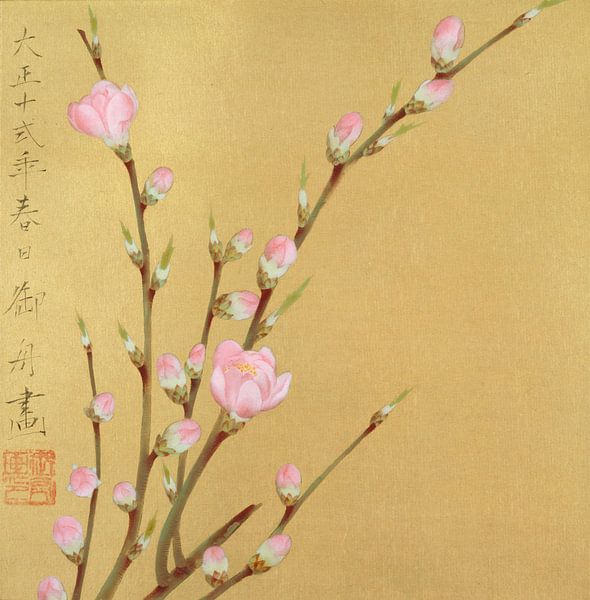
Nature remained a particularly compelling presence in his artistic universe. A branch bearing fruit, the delicate flowering of a tree, or the contrast between light and darkness could become far more than a record of the visible world. Through careful observation and an extraordinary command of composition, such subjects acquire a contemplative dimension, reminding us that beauty often resides in fleeting moments and seemingly modest details. Here, the traditional Japanese appreciation of nature finds fresh expression, with the visible world becoming a meeting place for artistic discipline, imagination, and reflection.
Tragically, the creative journey of Hayami Gyoshū was cut short when he died of typhoid fever in 1935, aged just 40. His life ended at a time when Japan was moving towards an increasingly militarized and nationalistic future, leaving unanswered questions about the further directions his art might have taken. Nevertheless, his surviving works preserve the vitality of an artist who looked both backwards and forwards, drawing nourishment from the cultural inheritance of Japan while remaining receptive to artistic change.
Ultimately, Gyoshū’s significance rests not simply on his technical accomplishments, but also on his ability to transform nature into a deeply personal artistic experience. His paintings remind us that cultural continuity does not require artistic stagnation, just as modernity need not mean the abandonment of inherited wisdom.
https://moderntokyonews.com/?s=Art Past ART articles via MODERN TOKYO NEWS (Modern Tokyo Times group)
MODERN TOKYO TIMES – MODERN TOKYO NEWS – please check https://moderntokyonews.com
Please check Modern Tokyo News at https://moderntokyonews.com for articles going back over 12 years. Sadly, Modern Tokyo Times got hacked and lost 14 years of articles…

Modern Tokyo News is part of the Modern Tokyo Times group
http://moderntokyotimes.com Modern Tokyo Times – International News and Japan News
http://sawakoart.com – Sawako Utsumi and Modern Tokyo Times artist
https://moderntokyonews.com Modern Tokyo News – Tokyo News and International News
PLEASE JOIN ON FACEBOOK
https://www.facebook.com/moderntokyotimes