
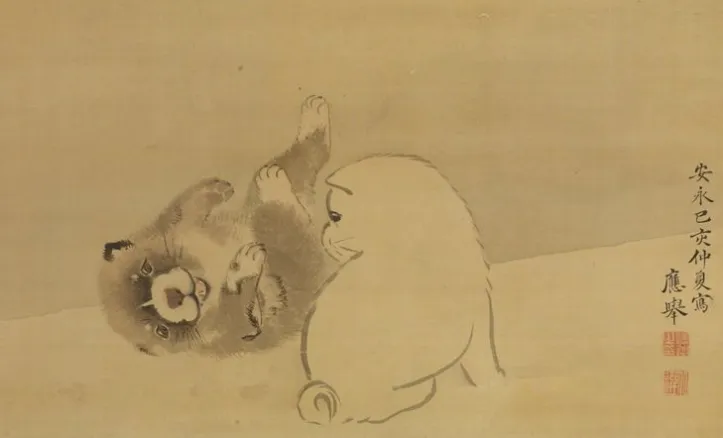
Japan Art and Edo Period to early Taisho Period
Lee Jay Walker
Modern Tokyo Times
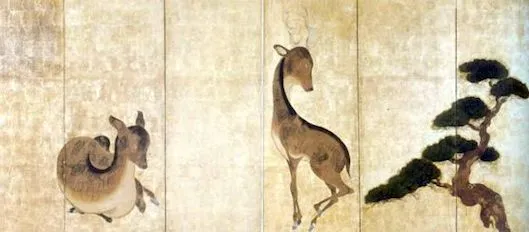
Watanabe Shikō (1683–1755) created delightful art throughout his lifetime, drawing deeply from the artistic and cultural heritage of his native Kyoto. Naturally, his work was also shaped by the wider artistic currents of the Edo Period, when traditional Japanese aesthetics continued to flourish alongside evolving creative ideas.
He embraced the cultural richness of the Kansai region, where artistic expression, religious devotion, and centuries of historical memory intertwine. The spiritual and cultural significance of Kōyasan, Nara, Negoro-ji, and other places of religious importance—including his native city—formed part of this wider cultural landscape. Accordingly, a rich sense of Japanese high culture can be felt when viewing his art, where beauty and tradition reflect the enduring connections between artistic creativity and the sacred.
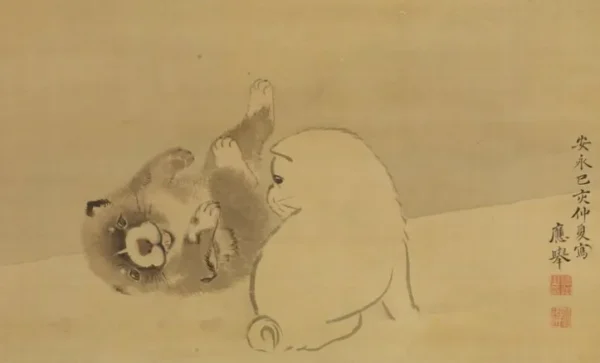
The artist Maruyama Ōkyo (1733–1795) was also born in Kyoto and belonged to the Edo Period. During his lifetime, he profoundly influenced the Japanese art scene through his passion, innovation, and creative vision. His work reflects a fascinating meeting of artistic ideas rooted in Japan, the rich cultural legacy of the Middle Kingdom (China), and his limited knowledge of Western art. The balance between these influences varied according to the subject and character of each individual work, demonstrating the diverse cultural currents that enriched Japanese artistic expression.
The Cleveland Museum of Art says, “Okyo was the most influential painter and teacher of his time in Kyoto. His mastery of brush and ink found expression in a variety of Chinese and Japanese subjects, painting styles, and formats. This depiction of a heron on a willow branch is done in a classical Japanese painting (yamato-e) style, utilizing flat areas of colorful pigments set against an expansive background with little or no spatial depth.”
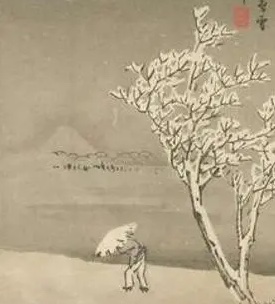
Suzuki Shōnen, born in the 1840s during the fading years of the Edo Period and passing away in 1918 as the Taishō era gathered momentum, was an artist shaped by an age of profound transformation. The Meiji Period (1868–1912) brought sweeping changes to Japan’s political, social, and cultural landscape, presenting artists with new opportunities while raising questions about the preservation of traditional values. Shōnen’s creative spirit matured amid these vibrant currents, as established artistic worlds encountered new influences and fresh possibilities.
Guided in his early years by the experienced artistic hand of his father, Shōnen inherited not only technique but also a sensitivity to lineage, cultural memory, and tradition. The artistic soul of Kyoto, the sacred tranquillity of Kōyasan, the timeless religious and cultural heritage of Nara, and the distant echoes of the Middle Kingdom all formed part of the broader cultural tapestry surrounding his artistic development. Together, these influences helped nourish his distinctive creative path, reflecting the enduring dialogue between Japan’s inherited artistic traditions and the changing world beyond them.
https://moderntokyonews.com/?s=Art Past ART articles via MODERN TOKYO NEWS (Modern Tokyo Times group)
MODERN TOKYO TIMES – MODERN TOKYO NEWS – please check https://moderntokyonews.com
Please check Modern Tokyo News at https://moderntokyonews.com for articles going back over 12 years. Sadly, Modern Tokyo Times got hacked and lost 14 years of articles…

Modern Tokyo News is part of the Modern Tokyo Times group
http://moderntokyotimes.com Modern Tokyo Times – International News and Japan News
http://sawakoart.com – Sawako Utsumi and Modern Tokyo Times artist
https://moderntokyonews.com Modern Tokyo News – Tokyo News and International News
PLEASE JOIN ON FACEBOOK
https://www.facebook.com/moderntokyotimes