
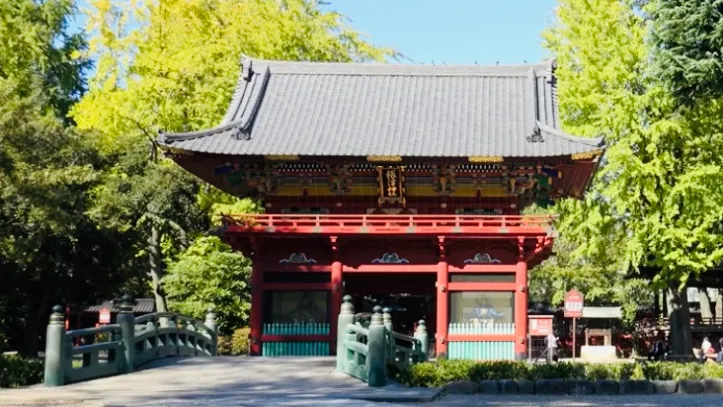
Zen Buddhist Poet from Japan: Sesson Yūbai (1290-1346)
Lee Jay Walker
Modern Tokyo Times
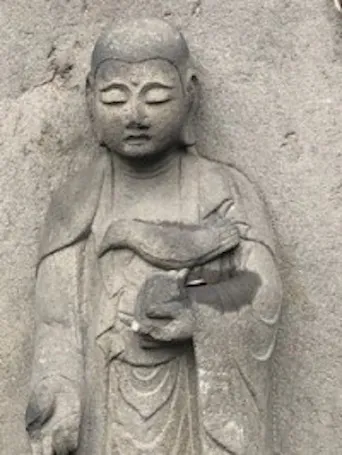
The Zen Buddhist monk Sesson Yūbai was born in the late 13th century and died in the 1340s. He was a notable Japanese literati poet who belonged to the Rinzai Buddhist sect. Throughout his life, he fused many elements of native culture with the learning and traditions of Chinese culture emanating from the Middle Kingdom.
Sesson Yūbai is blessed with the distinction of being deemed (gozan bungaku) “the first important poet of the Five Mountains.”
In modern times, Buddhism continues to attract pilgrims and tourists to notable places throughout Japan, with Buddhist temples and Jizō statues dotting the landscape. Notable places include Chichibu, Kamakura, Kōyasan, Kyoto, Nara, Negoro-ji, Nikkō, and a host of other locations. Hence, Buddhist compounds and temples continue to attract the faithful and enlighten new generations, just as in bygone days.
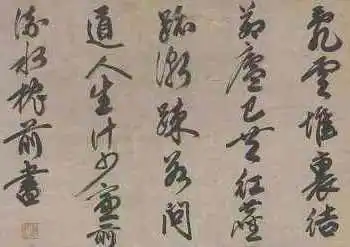
Sesson Yūbai breathed Buddhism while furthering the impact of high culture on his native country through the Middle Kingdom. Accordingly, the rich traditions of China and Japan were natural realities that guided him throughout his life.
The MET Museum says, “Sesson Yūbai, one of the most accomplished literati Zen monks, was both proficient in calligraphy and learned in Chinese poetry. After studying with the Chinese émigré monk Yishan Yining (Japanese: Issan Ichinei, 1247–1317), he spent twenty-three years in China, and his calligraphy reveals the influence of the latest Chinese styles. Ample space between the columns of text allows the longer horizontal strokes and pronounced diagonals to stand out.”
In a delightful poem he wrote:
My thatched hut is woven with disordered layers of clouds.
Already my footprints are washed away with the red dust.
If you ask, this monk has few plans for his life:
Before my window, flowing waters; facing my pillow, books.
His time in China was enriched by the Buddhist circles in which he moved. Also, he took ideas emanating from Japan while bringing back ideas from the Middle Kingdom. Therefore, the flow of culture went in both directions, alongside the fusion of different Buddhist mindsets influenced by regional differences, sects, Confucianism, Taoism, Shintoism (Japan), and other important cultural and philosophical traditions.
He wrote gracefully:
Who travels the Way
Heeds the Heart’s and the Way’s beginnings,
Yet the Way has no boundaries.
I will walk till the rivers run dry
And exhaust the mountain peaks—
Then sit in the calm of the clouds,
Watching the moon light the sky.
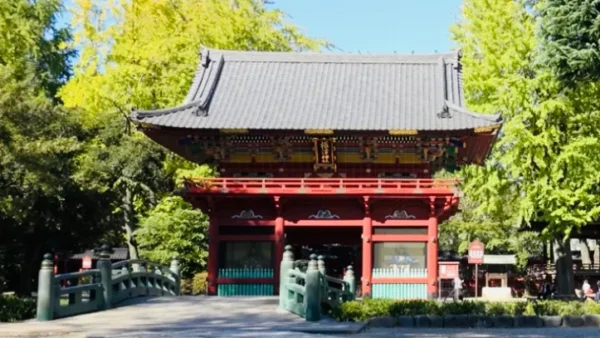
His time in China was also marked by hardship. Hence, he was imprisoned after edicts led to anti-Buddhist attacks. Yet, true to the nature of Sesson Yūbai, he contemplated and developed new ideas while imprisoned in Chang’an.
He wrote – with the clearest of minds:
I care nothing for praise or honor,
Nor do I fear disdain—
I simply stand apart.
My mind is clear water,
Though my body is bound and tied
Three years in Chang’an.
I sing what I feel
In straight, undecorated words.
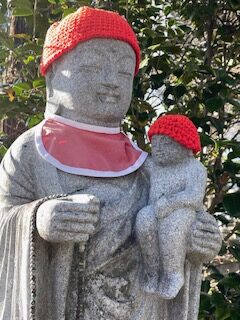
Overall, in life and death, his world belonged to the path of the Buddha. Hence, he developed his Buddhist faith irrespective of hardship or times of warmth – both shades of existence that never distracted him from his chosen path.
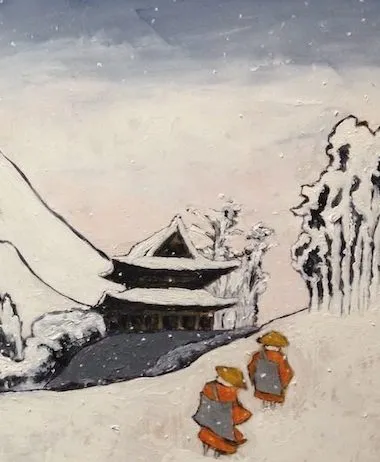
https://fineartamerica.com/featured/japanese-buddhist-holy-men-in-the-deep-winter-sawako-utsumi.html Buddhist Art
https://moderntokyonews.com/category/japan-culture/ Past JAPAN CULTURE articles via MODERN TOKYO NEWS
MODERN TOKYO TIMES – MODERN TOKYO NEWS – please check https://moderntokyonews.com
Please check Modern Tokyo News at https://moderntokyonews.com for articles going back over 12 years. Sadly, Modern Tokyo Times got hacked and lost 14 years of articles…

Modern Tokyo News is part of the Modern Tokyo Times group
http://moderntokyotimes.com Modern Tokyo Times
http://sawakoart.com – Sawako Utsumi’s website and Modern Tokyo Times artist
https://moderntokyonews.com Modern Tokyo News
PLEASE JOIN ON FACEBOOK
http://facebook.com/moderntokyotimes