
Japan Poetry – Hideo Oguma and Northern Sadness
Lee Jay Walker
Modern Tokyo Times
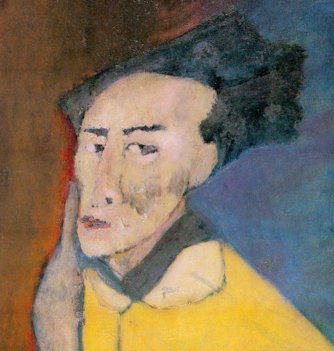
The Japanese poet Hideo Oguma (1901–1940) had socialist leanings and empathized with the downtrodden in northern Japan, who had witnessed the profound transformation and dominance of Japanese culture.
During his short life, he produced a variety of works, including poetry, children’s stories, comic books and highly regarded literary criticism. He also created art. Hence, Oguma explored several creative avenues to make a living while expressing his potent poetry.
He wrote about the inner struggle of supporting the downtrodden:
“It is not easy being a knight of freedom,
Living in a perpetual battle
With poverty like this.”
Politically, he understood the plight of the downtrodden in northern Japan and feared the impact of colonialism on the Chinese and Koreans. Thus, he was no child of imperialism, nationalism or militarism, which were dominant forces during this period of history across much of the developed world. On the contrary, he maintained socialist leanings and left-wing perspectives concerning the world around him.
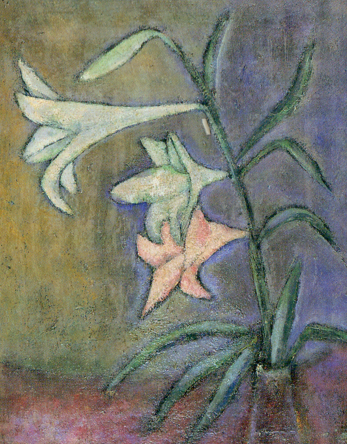
He grew up in the environs of Hokkaido and Sakhalin, where Japan established colonial settlements that sought to transform indigenous ways of life. This was comparable, in certain respects, to what happened to Okinawa (the former Ryukyu Kingdom).
In a poignant poem about the disappearing Ainu, he wrote (translated by David G. Goodman):
These winter preparations were carried out
With the characteristic aplomb of north folk
Those with money used it;
Those without made do.
As if someone had them by the throat,
The villagers held their breath.
They pricked up their ears and listened to the silence.
This sense of foreboding, together with Japan’s external policies concerning China and Korea, and other important political and social concerns, permeates Oguma’s writing. Unlike the remoteness of his early life in the far north – a contested region between Japan and Russia, yet historically associated with Ainu habitation – he eventually moved to Ikebukuro in Tokyo. However, the realities of his early life remained with him, alongside his foreboding about militarism and the forces that kept the poor oppressed.
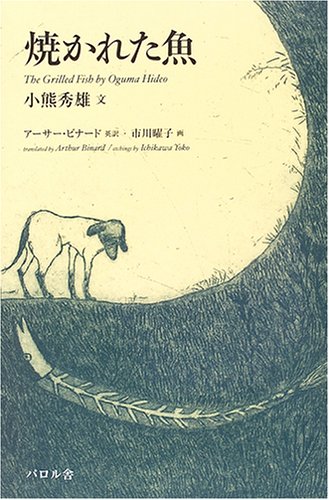
In 1935, he wrote Godless Horse:
“My nothingness was a basket full of remorseful strawberries […]
Being in love is like a shell that clings to your back and won’t let go.”
His burden often seemed heavy. Yet, despite the internal political convulsions threatening to silence outspoken voices, Oguma remained steadfast, much like the oppressed and impoverished people struggling to make a living in the harsh climate of Japan’s far north.
https://moderntokyonews.com/category/japan-culture/ Past JAPAN CULTURE articles via MODERN TOKYO NEWS
MODERN TOKYO TIMES – MODERN TOKYO NEWS – please check https://moderntokyonews.com
Please check Modern Tokyo News at https://moderntokyonews.com for articles going back over 12 years. Sadly, Modern Tokyo Times got hacked and lost 14 years of articles…

Modern Tokyo News is part of the Modern Tokyo Times group
http://moderntokyotimes.com Modern Tokyo Times
http://sawakoart.com – Sawako Utsumi’s website and Modern Tokyo Times artist
https://moderntokyonews.com Modern Tokyo News
PLEASE JOIN ON FACEBOOK
http://facebook.com/moderntokyotimes