
China and Japan Tensions: Beijing Export Controls on Japanese Companies
Noriko Watanabe, Kanako Mita, and Lee Jay Walker
Modern Tokyo Times
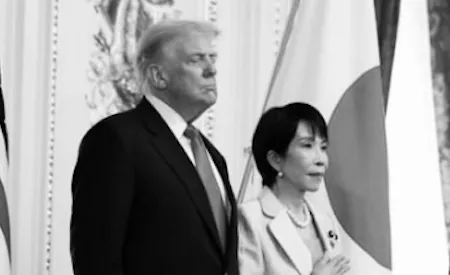
Tensions between China and Japan have intensified since Prime Minister Sanae Takaichi assumed office last year. A protégé of the late Shinzo Abe, who was brutally assassinated, Takaichi has adopted a firmer stance toward Beijing. Unlike Abe, who recognized the strategic value of maintaining cordial relations with the Russian Federation, Japan has in recent years aligned itself with anti-Russian policies over the Ukraine conflict. Consequently, Tokyo finds itself in a more precarious strategic position in Northeast Asia, particularly as North Korea continues to strengthen ties with both China and Russia.
By incorporating Taiwan into its national security strategy, Takaichi and previous administrations were always likely to provoke greater friction with China. If Japan considers this policy essential because of shared cultural, economic, and political interests with Taiwan, it must also accept that relations with Beijing are likely to remain strained — or deteriorate further.
China has now introduced new export controls targeting Japanese companies it believes are connected, directly or indirectly, to Japan’s remilitarization. As a result, numerous Japanese firms now face restrictions on access to China’s market.
Early in her administration, Takaichi indicated that Japan would assist Taiwan should China resort to military force. Given Beijing’s well-known position, her government should have anticipated the possibility of economic retaliation.
AP News reported: “China’s Commerce Ministry on Monday placed 20 Japanese entities, including multiple divisions of Mitsubishi Corporation, on a control list, which prohibits Chinese and foreign exporters from selling to them dual-use items made in China. Dual-use items can be used for both civilian and military purposes.”
A further 20 Japanese entities were also added to a watch list.
Chief Cabinet Secretary Minoru Kihara indicated that Japan would consider countermeasures in response to the economic restrictions.
Japan already faces enormous public debt and a rapidly aging population — challenges shared by several regional states. Yet, like many G7 and European nations confronting similar structural problems, Tokyo remains focused on strategic competition with China and the Russian Federation. Consequently, both Japan and China continue to expand their military capabilities.
China maintains that its latest measures are directed solely at military-related concerns rather than ordinary Japanese businesses, which it says remain welcome in the Chinese market. Beijing may also hope that Japan’s business community will encourage Takaichi’s administration to adopt a more measured approach.
It remains to be seen whether Japan will seek improved relations with the Russian Federation or reconsider the extent to which the Taiwan issue shapes its foreign policy.
Tokyo must also take note of recent shortcomings in American foreign policy regarding Iran. After all, President Donald Trump’s administration has often appeared unpredictable, publicly criticizing NATO while also creating friction with allies over issues such as Greenland.
https://moderntokyonews.com/category/japan-news Past JAPAN NEWS articles via MODERN TOKYO NEWS
MODERN TOKYO TIMES – MODERN TOKYO NEWS – please check https://moderntokyonews.com
Please check Modern Tokyo News at https://moderntokyonews.com for articles going back over 10 years. Sadly, Modern Tokyo Times got hacked and lost 14 years of articles…

Modern Tokyo News is part of the Modern Tokyo Times group
http://moderntokyotimes.com Modern Tokyo Times – International News and Japan News
http://sawakoart.com – Sawako Utsumi and Modern Tokyo Times artist
https://moderntokyonews.com Modern Tokyo News – Tokyo News and International News
PLEASE JOIN ON TWITTER
https://twitter.com/MTT_News Modern Tokyo Times
PLEASE JOIN ON FACEBOOK
https://www.facebook.com/moderntokyotimes