
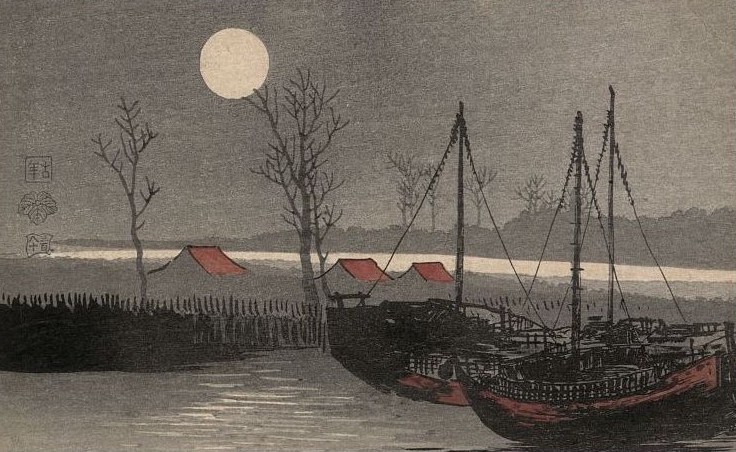
Japanese Art and Culture by Uehara Kōnen
Lee Jay Walker
Modern Tokyo Times
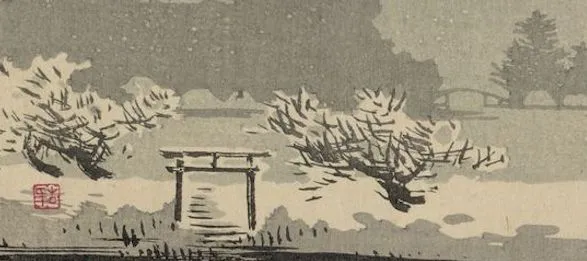
The Japanese artist Uehara Kōnen was born in Tokyo during the transformative years of the Meiji Restoration, when tradition and modernity existed in delicate balance. Living from the 1870s until 1940, he witnessed Japan’s remarkable cultural awakening before its descent into the gathering shadows of war.
Kōnen first gained recognition through the evocative mōrō-tai style, where softened outlines and luminous atmosphere replaced rigid definition. Inspired by the growing influence of Western painting and photography, he transformed landscapes into meditations on light, mood, and impermanence.
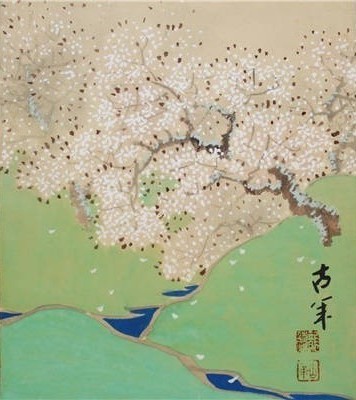
According to the British Museum, Kōnen studied under Kajita Hanko and later Matsumoto Fuko, while the lyrical brushwork of Imamura Shikō further shaped his artistic vision. Although he exhibited widely, his life also extended beyond art through service in the Imperial Household and the Foreign Ministry, and through his association with the influential aesthetic philosopher Okakura Tenshin.
The British Museum says, “Konen was born in Tokyo, and studied first under Kajita Hanko (1870-1917) and then with Matsumoto Fuko (1840-1923). He spent most of his painting career on landscapes, showing at official exhibitions and receiving prizes and awards regularly. He was influenced by the moist brushwork of Imamura Shiko (1880-1916). According to Watanabe (Watanabe, 1936), he worked as an official in the Imperial Household and the Foreign Ministry, and at one time was associated with Okakura Tenshin (1862-1913). Only a handful of woodblock prints by him are known, a few published before the Kanto earthquake by Kobayashi Bunshichi, the remainder after it by Watanabe. All are landscape or townscape subjects.”
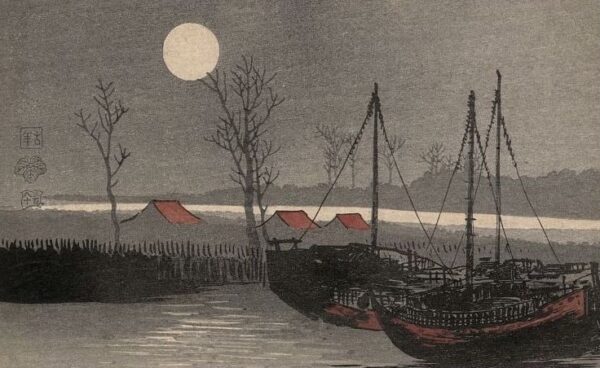
Much of Kōnen’s legacy, however, was lost in the devastation of the Great Kantō Earthquake. Only a small body of prints—published before the catastrophe by Kobayashi Bunshichi and later by Watanabe—survives as quiet witnesses to both artistic brilliance and historical tragedy.
In these delicate landscapes and townscapes, Kōnen captured more than scenery; he preserved the fragile poetry of a vanishing Japan. His surviving works, though few, remain luminous reflections on transience, each composition carrying the quiet breath of a world slipping into memory.
https://moderntokyonews.com/?s=Art Past articles about ART via MODERN TOKYO NEWS (Modern Tokyo Times group)
MODERN TOKYO TIMES – MODERN TOKYO NEWS – please check https://moderntokyonews.com
Please check Modern Tokyo News at https://moderntokyonews.com for articles going back over 12 years. Sadly, Modern Tokyo Times got hacked and lost 14 years of articles…

Modern Tokyo News is part of the Modern Tokyo Times group
http://moderntokyotimes.com Modern Tokyo Times – International News and Japan News
http://sawakoart.com – Sawako Utsumi and Modern Tokyo Times artist
https://moderntokyonews.com Modern Tokyo News – Tokyo News and International News
PLEASE JOIN ON TWITTER
https://twitter.com/MTT_News Modern Tokyo Times
PLEASE JOIN ON FACEBOOK
https://www.facebook.com/moderntokyotimes