Religious Persecution in Pakistan is Never Ending
Kanako Mita, Sawako Utsumi, and Lee Jay Walker
Modern Tokyo Times
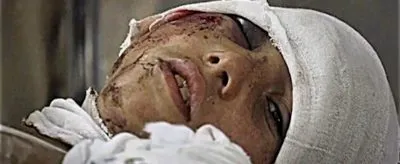
The United Nations (UN) continues to express alarm over the enduring persecution of religious minorities in Pakistan. Several years ago, UN experts investigated the plight of vulnerable communities in the country, yet the same grave concerns remain firmly entrenched in 2026. Among the most disturbing are the forced conversions and marriages of Christian, Hindu, and Sikh girls and women by Muslim men. At the same time, Muslim minorities, most notably the Ahmadiyya community, continue to face systematic religious discrimination and persecution.
For decades, Pakistan has been criticized by international bodies for a wide range of human rights abuses, including the sale and sexual exploitation of children, violence against women, the misuse of blasphemy laws, the persecution of religious minorities, and forms of modern slavery linked to bonded labor that trap many of the poorest citizens in cycles of exploitation.
Religious persecution extends beyond non-Muslim communities. Minority Muslim sects, including the Ahmadiyya, face state-backed discrimination and social hostility. Historically, Christian churches and other non-Muslim places of worship have been attacked, while countless innocent lives have been lost. Yet the Shia Muslim population has borne the brunt of sectarian violence, repeatedly targeted by Sunni Islamist terrorist organizations that seek to eradicate religious diversity through fear and bloodshed.
Several years ago, the U.N. High Commissioner for Human Rights issued a stark warning: “We are deeply troubled to hear that girls as young as 13 are being kidnapped from their families, trafficked to locations far from their homes, made to marry men sometimes twice their age, and coerced to convert to Islam, all in violation of international human rights law.”
The UN statement emphasized that these abuses are not merely isolated crimes committed by individuals. Rather, they are facilitated by failures and complicity within religious institutions, elements of the justice system, and security forces. Tragically, the concerns highlighted years ago remain painfully relevant in 2026. The persistence of these abuses points to a deeper problem of institutional discrimination, whereby the dominant religious faith is too often allowed to overshadow the equal rights and protections owed to all citizens.
The BBC highlighted the plight of one young victim several years ago—a story that represents countless others whose suffering rarely reaches international headlines: “Farah, a 12-year-old Christian girl, says she was taken from her home in Pakistan last summer, shackled, forced to convert to Islam and made to marry her kidnapper. It’s a fate estimated to befall hundreds of young Christian, Hindu and Sikh women and children in the country each year.”
Farah recalled her ordeal: “They’d put chains on my ankles, and tied me with a rope. I tried to cut the rope and get the chains off, but I couldn’t manage it. I prayed every night, saying, ‘God, please help me.’”
Her testimony exposes not only the brutality of the crimes committed but also the profound vulnerability of minority communities that too often find themselves abandoned by institutions meant to protect them.
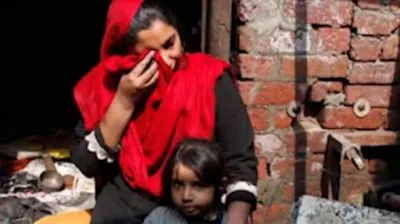
In another horrifying case—one among many—Asma Yaqoob, a Christian woman, died in agonizing circumstances after being set on fire. She endured approximately two weeks of unbearable suffering from severe burns before succumbing to her injuries. Her alleged offense was refusing to abandon her faith when a Muslim man sought to marry her. Such cases underscore the lethal consequences that can accompany religious intolerance and impunity.
The UN has repeatedly urged action, stating: “Pakistani authorities must adopt and enforce legislation prohibiting forced conversions, forced and child marriages, kidnapping, and trafficking … and uphold the rights of women and children.”
The statement further declared: “Noting Pakistan’s previous attempts to pass legislation that will prohibit forced conversions and protect religious minorities, the experts deplored the ongoing lack of access to justice for victims and their families.”
Yet despite years of warnings, recommendations, and expressions of concern, meaningful change remains elusive. Statements alone cannot protect vulnerable girls from abduction, shield minorities from persecution, or deliver justice to victims and their families. Pakistan must guarantee equal protection under the law for all citizens regardless of religion, sect, ethnicity, gender, or sexuality. Failure to do so should carry consequences, just as other nations that engage in systematic discrimination face international scrutiny and pressure.
Likewise, international organizations—including the Commonwealth of Nations, the UN, and global human rights bodies—must move beyond cautious rhetoric. Silence, timidity, or selective outrage only embolden those who perpetrate abuses. Genuine commitment to universal human rights requires consistency, moral courage, and a willingness to confront persecution wherever it occurs. Turning a blind eye to the suffering of religious minorities in Pakistan serves neither justice nor the values that the international community claims to uphold.
MODERN TOKYO TIMES – MODERN TOKYO NEWS – please check https://moderntokyonews.com
Please check Modern Tokyo News at https://moderntokyonews.com for articles going back over 10 years. Sadly, Modern Tokyo Times got hacked and lost 14 years of articles…

Modern Tokyo News is part of the Modern Tokyo Times group
http://moderntokyotimes.com Modern Tokyo Times – International News and Japan News
http://sawakoart.com – Sawako Utsumi’s website and Modern Tokyo Times artist
https://moderntokyonews.com Modern Tokyo News – Tokyo News and International News
PLEASE JOIN ON TWITTER
https://twitter.com/MTT_News Modern Tokyo Times
PLEASE JOIN ON FACEBOOK