
Japanese Art and the Sun of Life
Lee Jay Walker
Modern Tokyo Times
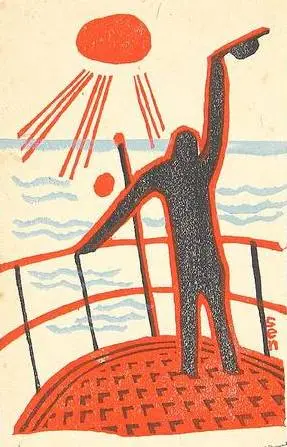
The captivating artwork above is by Maekawa Senpan (1888–1960), who studied Western-style oil painting at the Kansai Art Academy under the guidance of the distinguished Asai Chū (1856–1907). Although trained in Western techniques, Maekawa developed an artistic voice that embraced the poetic beauty and quiet spirituality so deeply rooted in Japanese aesthetics.
Reflecting on the print above, Maekawa recalled: “I am standing at the tail of an excursion boat admiring the rising sun. It was all that I could remember on that trip. This scene is quite suitable for the New Year’s greetings from a young man who was traveling around the year-end.”
His words reveal more than a simple memory. The rising sun becomes a symbol of renewal, hope, and the quiet promise of a new beginning, transforming a fleeting moment into an enduring expression of the Japanese spirit.
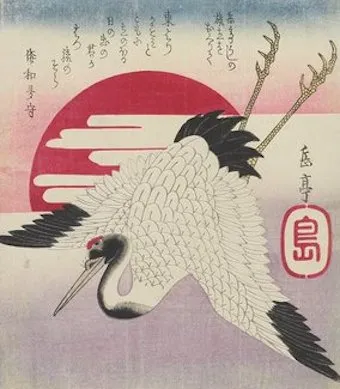
Yashima Gakutei (1786–1868) infused many of his remarkable works with cultural, philosophical, and religious symbolism. Renowned as both a poet and an artist, he possessed an independent creative vision that distinguished him from many of his contemporaries. While little is known about the closing years of his life, his artistic legacy continues to illuminate the elegance and intellectual depth of Edo-period Japan.
In the magnificent composition above, a graceful crane soars before the radiant rising sun. Long associated with longevity, good fortune, and spiritual purity, the crane embodies timeless Japanese ideals, while the ascending sun evokes renewal and the harmonious rhythms of nature. Together, they create an image that is both visually striking and quietly contemplative.
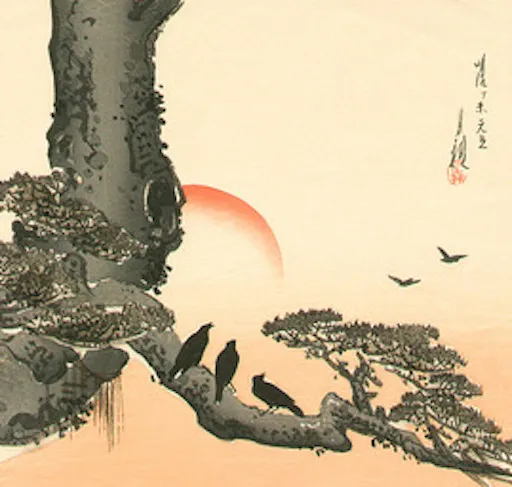
The final print is by Ogata Gekkō (1859–1920), an artist whose largely self-taught background nurtured an originality that shines throughout his work. Although influenced by Kikuchi Yōsai and Katsushika Hokusai, Gekkō forged a distinctive artistic language that bridged the expressive qualities of painting with the refined craftsmanship of woodblock printing.
The Portland Art Museum observes: “His print style is more reminiscent of paintings than traditional woodblocks and his designs required great skill of the carvers and printers who executed them… Along with his contemporary Watanabe Seitei, he was instrumental in introducing the sashiage printing technique that closely simulated the appearance of watercolor painting.”
Gekkō’s remarkable fusion of painterly expression and technical mastery produced works of exceptional elegance, enriching Japan’s artistic heritage while gently blurring the boundaries between painting and printmaking.
https://moderntokyonews.com/?s=Art Past articles about ART via MODERN TOKYO NEWS (Modern Tokyo Times group)
MODERN TOKYO TIMES – MODERN TOKYO NEWS – please check https://moderntokyonews.com
Please check Modern Tokyo News at https://moderntokyonews.com for articles going back over 12 years. Sadly, Modern Tokyo Times got hacked and lost 14 years of articles…

Modern Tokyo News is part of the Modern Tokyo Times group
http://moderntokyotimes.com Modern Tokyo Times – International News and Japan News
http://sawakoart.com – Sawako Utsumi’s website (Modern Tokyo Times artist)
https://moderntokyonews.com Modern Tokyo News – Tokyo News and International News
PLEASE JOIN ON TWITTER
https://twitter.com/MTT_News Modern Tokyo Times
https://www.facebook.com/moderntokyotimes/ Facebook