
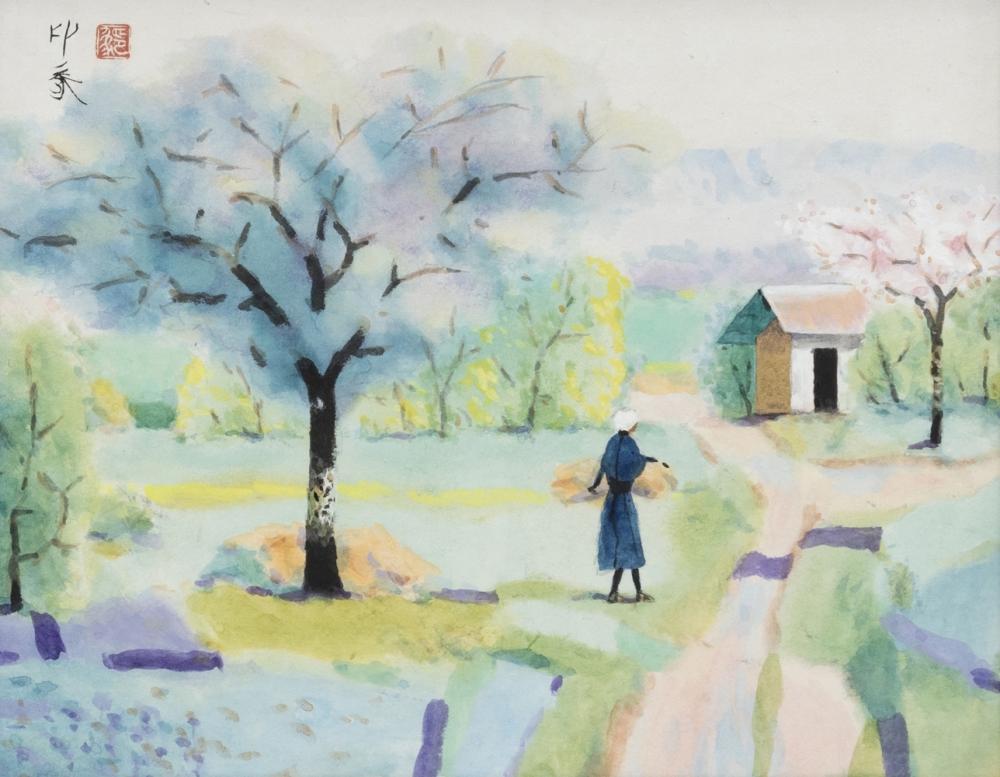
Japan Art by Dōmoto Inshō and Takeuchi Seihō
Lee Jay Walker
Modern Tokyo Times
The artist Dōmoto Inshō (1891–1975) explored different artistic styles throughout his distinguished life, continually embracing new expressions and possibilities. He also taught numerous artists, including Imoto Tekiho, thereby contributing to the continuation and evolution of Japanese artistic traditions.
During his formative years, the dynamism of the Meiji period and the cultural openness of the Taishō period profoundly influenced the artistic world. This was an era of experimentation, creative discovery and expanding horizons, as Japanese artists encountered new ideas while remaining connected to their cultural heritage. Before the nationalist dawn and upheaval of war transformed the nation’s artistic and intellectual landscape, Inshō was able to explore different styles and develop an innovative artistic identity.
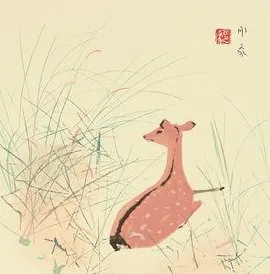
The British Museum says: “Domoto designed only a few prints but is remembered as an innovative ‘Nihonga’ painter in the Kyoto tradition. He was born in Kyoto… He graduated in 1910 from the Kyoto Shiritsu Bijutsu Kogei Gakko (Kyoto City School of Fine Arts and Crafts). He initially did design work for Mitsukoshi Department Store and for the silk textile firm Tatsumura Heizo. He then entered the Kyoto Shiritsu Kaiga Sen-mon Gakko (Kyoto City Specialist School of Painting), finally graduating after research studies in 1924. Meanwhile he was actively painting and became a pupil of the ‘Nihonga’ artist Nishiyama Suisho (1879–1958)…”
The final two artworks are by Takeuchi Seihō (1864–1942), an artist whose lifetime bridged two profoundly different chapters of Japanese history. Born during the dying embers of the Edo period, he passed away amid the upheaval of the Second World War. His artistic journey therefore encompassed an extraordinary age of transformation, when Japan was negotiating the relationship between its cultural inheritance and the expanding influences of the outside world.
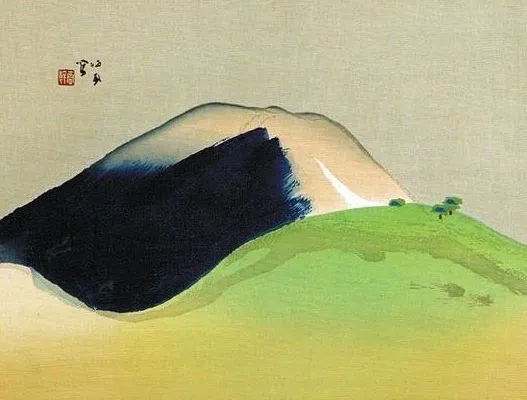
Seihō was one of the pioneering figures of the Nihonga art movement. From an early age, he possessed an enduring love of drawing, a natural inclination that remained with him throughout his distinguished life. His artistic vision was greatly enriched by studying under Kōno Bairei of the Maruyama-Shijō school. Yet Seihō never confined himself to one tradition, instead absorbing different influences and techniques to create an artistic language of his own.
The Museum of Art (MOA) says: “The art scenes in the mid-nineteenth-to-early-twentieth century Japan underwent a dramatic transformation, strongly influenced by the incoming European philosophy of art and new techniques in conflict with the mood for preserving traditional arts. This was the context in which Kyoto-based artist Takeuchi Seihō (1864–1942) developed his successful career. He was trained in the painting tradition of the Shijō school, and yet also developed skills in a wide spectrum of artistic expressions, from the Kano school to literati painting and European realism. His quest for new expressions culminated into his unique style, which stirred a revolution in the Kyoto painting circle.”
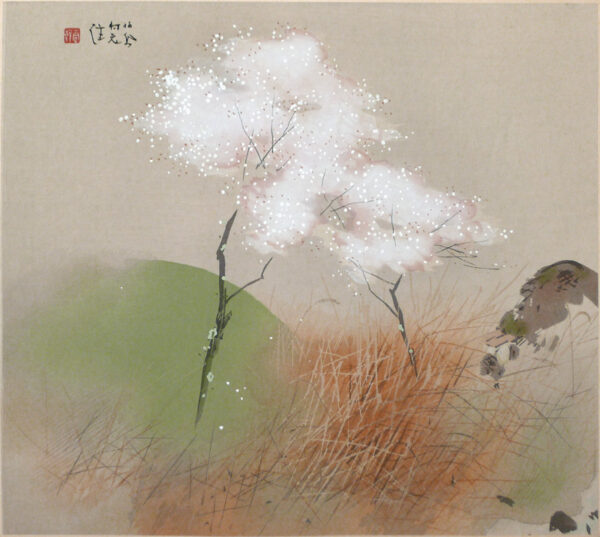
Overall, Inshō and Seihō both demonstrate how Japanese art could embrace innovation without abandoning its cultural foundations. Hence, while not being known internationally, they still created timeless art and provide a fresh mirror.
https://moderntokyonews.com/?s=Art Past ART articles via MODERN TOKYO NEWS (Modern Tokyo Times group)
MODERN TOKYO TIMES – MODERN TOKYO NEWS – please check https://moderntokyonews.com
Please check Modern Tokyo News at https://moderntokyonews.com for articles going back over 12 years. Sadly, Modern Tokyo Times got hacked and lost 14 years of articles…

Modern Tokyo News is part of the Modern Tokyo Times group
http://moderntokyotimes.com Modern Tokyo Times – International News and Japan News
http://sawakoart.com – Sawako Utsumi and Modern Tokyo Times artist
https://moderntokyonews.com Modern Tokyo News – Tokyo News and International News
PLEASE JOIN ON FACEBOOK
https://www.facebook.com/moderntokyotimes