Japan Art and Impact of Chinese Culture (Hashimoto Kansetsu)
Lee Jay Walker
Modern Tokyo Times
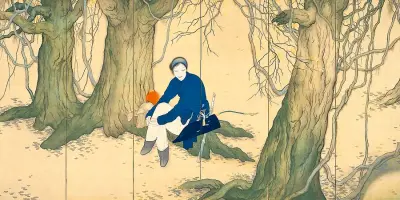
The Japanese artist Hashimoto Kansetsu (1883–1945) possessed a profound admiration for the countless cultural and artistic treasures of China. This enduring devotion existed despite the immense suffering that Japan would ultimately inflict upon China during his lifetime. One can only imagine the quiet anguish and inner conflict that the rise of Japanese militarism stirred within Kansetsu — an artist whose spirit was so deeply nourished by the civilization that militarists sought to dominate.
Born in Hyogo Prefecture, Kansetsu became an influential figure within the refined artistic circles of Kyoto. His life traversed the Meiji, Taisho, and Showa periods, eras marked by extraordinary transformation, turbulence, and nationalism. Yet despite the relentless currents of modernization and the increasingly strident atmosphere of late imperial Japan, Kansetsu remained spiritually anchored in a far older realm of high culture — one shaped by the elegant and enduring artistic traditions of both China and Japan.
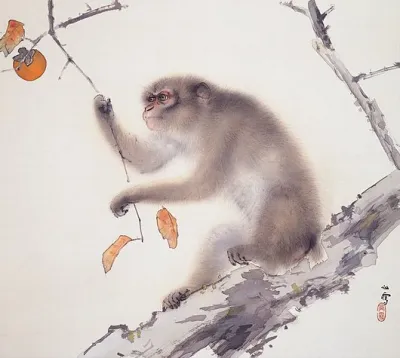
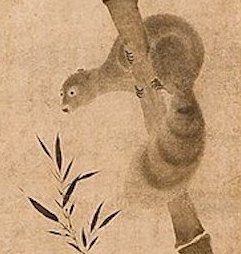
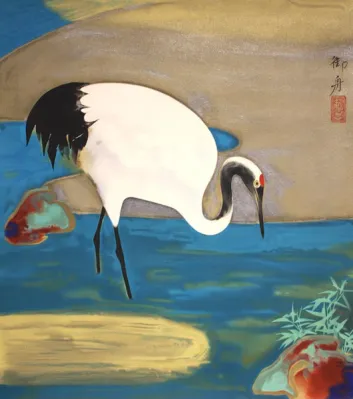
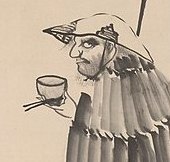
He studied painting under the respected masters Kataoka Koko and Takeuchi Seiho, an artistic blessing that profoundly shaped his formative years. From these foundations, Kansetsu developed a remarkably individual style that fused the grace of Chinese literati painting with the decorative lyricism of Rinpa and the poetic naturalism of the Shijo School. The result was an artistic vision of striking sophistication and quiet originality.
The Hashimoto Kansetsu Museum states: “Hashimoto Kansetsu (1883-1945) was a Nihonga (Japanese-style painting) artist who was active in the art world of Kyoto during the modern era from the Taisho to Showa periods. He possesses profound knowledge of ancient Japanese and Chinese classical documents and history, and was also knowledgeable in ancient and modern calligraphy art based on poetry.”
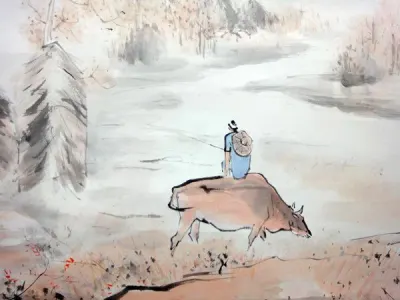
Kansetsu traveled frequently to China despite the immense upheavals consuming the nation — first through the predations of Western imperialism and later through the brutal realities of Japanese imperial expansion. Yet his world ultimately belonged not to political aggression, but to the transcendent realm of art, poetry, scholarship, and cultural memory. Within this realm, the finest aesthetic qualities of China and Japan intertwined gracefully, while selective currents of Western art also entered his imagination. In Kansetsu’s paintings, one senses not the harshness of modern conflict, but the lingering beauty of an older East Asian cultural world struggling to endure amid the convulsions of history.
MODERN TOKYO TIMES – MODERN TOKYO NEWS – please check https://moderntokyonews.com
Please check Modern Tokyo News at https://moderntokyonews.com for articles going back over 10 years. Sadly, Modern Tokyo Times got hacked and lost 14 years of articles…

Modern Tokyo News is part of the Modern Tokyo Times group
http://moderntokyotimes.com Modern Tokyo Times – International News and Japan News
http://sawakoart.com – Sawako Utsumi and Modern Tokyo Times artist
https://moderntokyonews.com Modern Tokyo News – Tokyo News and International News
PLEASE JOIN ON TWITTER
https://twitter.com/MTT_News Modern Tokyo Times
PLEASE JOIN ON FACEBOOK