Japan Protests against China after Locking On Fighter Jets
Kanako Mita, Sawako Utsumi, and Lee Jay Walker
Modern Tokyo Times
Prime Minister Sanae Takaichi of Japan continues to face overt intimidation tactics from China. President Xi Jinping—who long ago discarded the prudent warnings of Deng Xiaoping (1904–1997)—is deepening his project of unchecked power concentration, projecting coercive pressure from the contested waters of the South China Sea to the small islets of Japan.
Deng cautioned China’s future leaders against foreign entanglements and the dangers of personalist rule overshadowing the Communist Party. Xi has rejected both admonitions. In doing so, he is not merely rolling back the internal guardrails of the CCP—he is exporting tension across Asia through military brinkmanship and political intimidation.
Takaichi, despite her warm praise of President Donald Trump during their high-profile meeting, has simultaneously preserved Japan’s indispensable energy ties with the Russian Federation. As Japan’s first female prime minister—and a protégé of the late Shinzo Abe, who himself balanced cordial ties with Vladimir Putin—Takaichi boldly asserted that a “golden age” of economic, military, and geopolitical cooperation with the United States is on the horizon.
Yet it is China’s escalating hostility toward the incoming Takaichi administration that underscores a fundamental strategic truth: Japan must recalibrate and revive a stable, interest-based relationship with the Russian Federation. Such a move would soften Japan’s structural energy vulnerabilities while strengthening its long-term strategic equilibrium.
Beijing’s latest barrage of commentary—triggered by Takaichi’s remarks on defending Taiwan—is entirely unwarranted. Japan’s recent prime ministers have offered comparable strategic assessments, yet Beijing selectively magnifies its outrage now for political leverage. If China objects to Tokyo’s position, the responsible response is direct diplomacy—not cultural pressure, economic signals, or political intimidation designed to box Japan in.
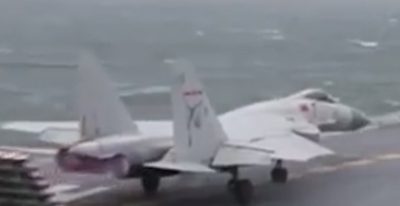
AP News notes, “Japan said Monday that Chinese military aircraft locked radar on its fighter jets even though there was a safe distance between them, denying Beijing’s accusation of interference and renewing its protest over the incident.”
Chief Cabinet Secretary Minoru Kihara clarified, “The Self Defense Force (fighter jets) were maintaining safe distance during their mission.”
He added pointedly: “China’s claim that SDF aircraft severely obstructed their safe flight is untrue.”
Defense Minister Shinjiro Koizumi condemned the incident as “an extremely regrettable act” that “exceeded the scope necessary for safe aircraft operations.”
Japan has consistently sought stability in East Asia. Successive leaders—regardless of ideology—have articulated security policies grounded in continuity, balance, and deterrence. Singling out Takaichi while ignoring this steady line of policy reveals less about Tokyo’s intentions and more about Beijing’s growing reliance on coercive instruments to shape the behavior of neighboring states.
If Beijing genuinely seeks regional peace, it should engage Tokyo directly, candidly, and maturely. Manufactured outrage, political theater, and intimidation campaigns do nothing to prevent strategic drift in East Asia—they accelerate it.
China would do well to reflect on its own conduct in the South China Sea, where its expansive claims continue to heighten tensions with multiple regional nations. Likewise, Japan cannot be blamed for the widening rift between China and Taiwan—a reality overwhelmingly shaped by Beijing’s own decisions and escalating assertiveness.
Ultimately, both China and Japan would benefit enormously from stabilizing their diplomatic relationship. East Asia’s two largest economies owe their citizens—and the region—a framework grounded in predictability, mutual respect, and genuine dialogue. Anything less risks allowing tensions to calcify, to the detriment of all.

Modern Tokyo News is part of the Modern Tokyo Times group
http://moderntokyotimes.com Modern Tokyo Times – International News and Japan News
https://www.pinterest.co.uk/moderntokyotimes/ Modern Tokyo Times is now on PINTEREST
http://sawakoart.com – Sawako Utsumi’s website and Modern Tokyo Times artist
https://moderntokyonews.com Modern Tokyo News – Tokyo News and International News
PLEASE JOIN ON TWITTER
https://twitter.com/MTT_News Modern Tokyo Times