Japanese Novelist and Doppo Kunikida (1871-1908) – Meiji Period
Lee Jay Walker
Modern Tokyo Times
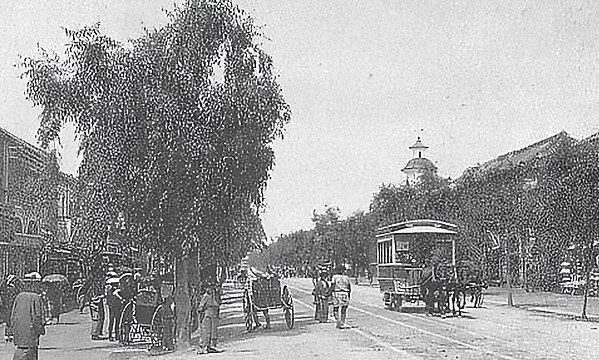
Doppo Kunikida, the Japanese novelist and poet, lived with a quiet intensity that shaped every facet of his brief existence. Beneath his thoughtful exterior burned a fiercely independent spirit—one that propelled him from the soft embrace of romanticism toward the uncompromising light of naturalism. Even though his life was short, the landscapes he inhabited, the loves he gained and lost, and the ideals he embraced echo powerfully through the world he left behind.
As a young boy, Kunikida moved to rural Yamaguchi. The countryside left an indelible mark on him: its forests, rivers, and open skies became both sanctuary and teacher. Years later, the tranquility and loneliness of these surroundings would return with haunting clarity in his writings—whispers from a past that had shaped his sensibilities.
In 1889, he left this pastoral world for Tokyo, seeking knowledge and purpose. The city, however, quickly revealed the steel of his character. At Tōkyō Senmon Gakkō (modern-day Waseda University), Kunikida refused to submit to an administration he viewed as rigid and unjust. His defiance cost him dearly: he was expelled in 1891. Yet this moment also crystallized the uncompromising individuality that would define his literary voice.
At 21, Kunikida converted to Christianity—a decision nurtured not only by faith but by the poetry of William Wordsworth and the democratic ideals emanating from the West. All these influences flowed together, shaping a worldview rooted in sincerity, introspection, and the dignity of the individual.
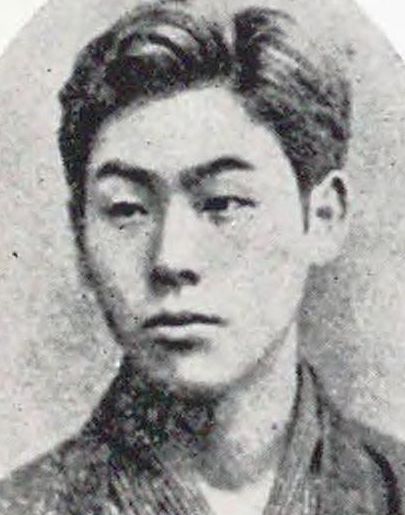
But fate soon struck him with harrowing force. In 1895, he married Nobuko Sasaki. What should have been a chapter of renewal descended into tragedy. Within five months, the marriage collapsed—undone by crippling poverty and the vicious hostility of Nobuko’s mother, who urged her daughter to take her own life rather than remain with Kunikida. Nobuko, pregnant and pressured, divorced him. This wound cut deep. In Azamukazaru no Ki, Kunikida poured out his torment—his longing for Nobuko, his shame, and the shadows of depression that haunted him.
Between 1898 and 1901, Kunikida produced several short romantic novels—including Wasure enu hitobito(Unforgettable People) and Musashino. Yet it was in 1901 that he reached a new pinnacle. His groundbreaking freestyle novel Gyuniku to bareisho (Beef and Potatoes) earned him wide acclaim and marked his emergence as one of Japan’s most compelling literary voices. This flourishing coincided with his second marriage, to Haruko Enomoto in 1898—a stabilizing force during his most creatively fertile years.
But as the new century advanced, Kunikida again shifted course. The romanticism of his early work gave way to a stark, clear-eyed engagement with reality. In Kyushi (A Poor Man’s Death) and Take no Kido (The Bamboo Gate), one sees the unmistakable turn toward naturalism. He stood as a pioneer at the threshold of Japan’s evolving literary future.
Then, in 1907, illness descended. Tuberculosis tightened around him, draining his strength with merciless certainty. By 1908, at only 36 years of age, Doppo Kunikida—a luminous, restless, and profoundly sincere spirit—departed this world. Yet the emotional intensity of his life, the landscapes that shaped him, and the uncompromising honesty of his art continue to resonate, long after the man himself has vanished into history.

Modern Tokyo News is part of the Modern Tokyo Times group
http://moderntokyotimes.com Modern Tokyo Times – International News and Japan News
https://www.pinterest.co.uk/moderntokyotimes/ Modern Tokyo Times is now on PINTEREST
http://sawakoart.com – Sawako Utsumi’s website and Modern Tokyo Times artist
https://moderntokyonews.com Modern Tokyo News – Tokyo News and International News
PLEASE JOIN ON TWITTER
https://twitter.com/MTT_News Modern Tokyo Times
PLEASE JOIN ON FACEBOOK