
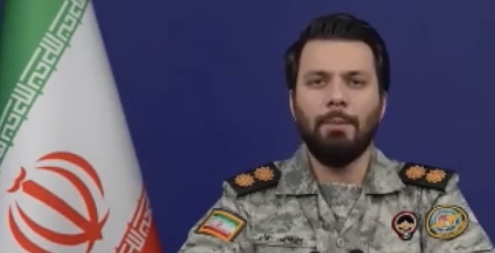
America Targets the Infrastructure of Iran (Kuwait and Others Attacked)
Kanako Mita, Sawako Utsumi, and Lee Jay Walker
Modern Tokyo Times
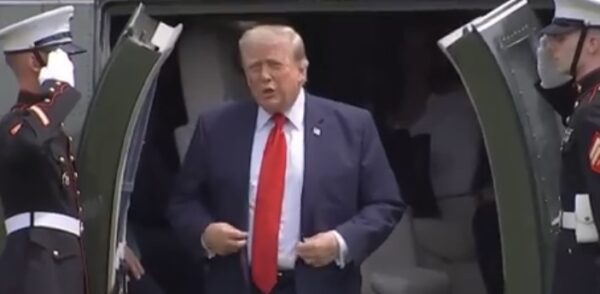
The Israel Defense Forces (IDF) launched a sustained military campaign against Hamas, Hezbollah, and other Islamist terrorist organizations following the October 7, 2023 Hamas-led pogrom — the deadliest massacre of Jews in Israel’s modern history. The conflict steadily expanded into a broader regional confrontation involving Iran and its proxy network, while Israel also struck Iranian-linked targets in Lebanon, Yemen, and the Gaza Strip. However, President Donald Trump’s unpredictable foreign policy increasingly pressured Israel to accept a ceasefire with Iran and to reduce its military campaign against Hezbollah in Lebanon (America and Israel were unified initially when bombing Iran), creating rare public friction between Washington and Jerusalem even as the Trump administration engaged Iranian officials.
That fragile diplomatic phase has now collapsed. The United States and Iran are once again exchanging military strikes, with Washington intensifying attacks on Iranian military infrastructure while Tehran retaliates against American allies and military assets across the Gulf. Israel’s earlier campaign had already eliminated many senior Iranian military leaders, increasing pressure on Tehran’s remaining leadership.
AP News reports: “The United States expanded its airstrike campaign against Iran early Friday by increasingly hitting bridges, part of U.S. President Donald Trump’s threats to start striking infrastructure to pressure Tehran to ease its chokehold on the Strait of Hormuz. Iran launched new missile attacks against U.S.-allied nations in the Middle East, including Qatar, a key mediator in the war.”
Although Washington and Tehran briefly agreed to an interim ceasefire after Trump had sharply criticized Israel, the arrangement is rapidly unravelling as the United States continues targeting infrastructure linked to Iran’s military capabilities and its leverage over the Strait of Hormuz.
Trump declared, “We are likewise winning big in Iran, and you will see the fruits of that labor very, very shortly.”
The White House stressed that U.S. forces targeted “military logistics infrastructure,” while US Central Command (CENTCOM) stated on X that American strikes hit “surveillance sites, military logistics infrastructure, underground weapons storage and maritime capabilities.” American attacks reportedly struck targets in Tehran and Semnan Province, including facilities linked to Iran’s ballistic missile programme and space programme.
Iran responded by launching missiles against Bahrain, Kuwait, Qatar, and American military installations across the Gulf, while also reportedly striking targets in Jordan and Syria. Kuwait said Iranian attacks on desalination facilities and power infrastructure endangered civilian lives.
The BBC reported: “In its response to the latest US attacks, Iran’s Revolutionary Guard Corps (IRGC) said it had struck US maritime surveillance radar sites in Oman as well as targets in Kuwait and Bahrain. It also claims to have attacked a US special operations command centre at al-Tanf in Syria.”
Iran warned it would resume “full-scale offensive operations” if American strikes continue. Major General Mohsen Rezaei declared: “Iran will no longer limit itself to retaliatory, like-for-like responses… and no political border will be safe.”
The renewed confrontation threatens the wider Middle East, placing Gulf states and international energy markets at increasing risk. While temporary ceasefires may reduce immediate tensions, lasting stability will require addressing the fundamental strategic disputes: Iran’s support for proxy organizations, its nuclear ambitions, freedom for the Iranian people under an authoritarian state, and mutual security concerns surrounding the Strait of Hormuz and America’s extensive military presence across the Gulf.
https://moderntokyonews.com/category/middle-east-west-asia Past articles about WEST ASIA (MIDDLE EAST) via MODERN TOKYO NEWS
MODERN TOKYO TIMES – MODERN TOKYO NEWS – please check https://moderntokyonews.com
Please check Modern Tokyo News at https://moderntokyonews.com for articles going back over 12 years. Sadly, Modern Tokyo Times got hacked and lost 14 years of articles…

Modern Tokyo News is part of the Modern Tokyo Times group
http://moderntokyotimes.com Modern Tokyo Times – International News and Japan News
http://sawakoart.com – Sawako Utsumi’s website and Modern Tokyo Times artist
https://moderntokyonews.com Modern Tokyo News – Tokyo News and International News
PLEASE JOIN ON FACEBOOK
https://www.facebook.com/moderntokyotimes