Japanese Art and Egrets
Lee Jay Walker
Modern Tokyo Times
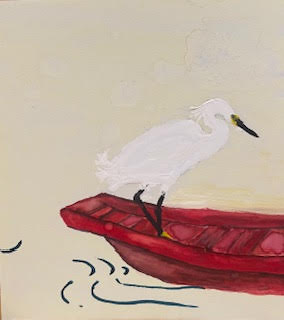
The contemporary Japanese artist Sawako Utsumi turns her gaze toward the elegant egret in both works, embracing a motif deeply woven into the spiritual and artistic fabric of Japan. Her choice is especially compelling, for the egret occupies a cherished place in Japanese mythology and the symbolic landscape of Shinto thought.
Within Japanese folklore and elements of Shinto belief, the egret is often associated with enlightenment, serenity, and purity. Its measured movements across water and sky evoke a profound sense of tranquility, while its immaculate white plumage resonates with Shinto ideals of cleanliness and spiritual refinement. For centuries, artists have been captivated by egrets and herons, depicting them as living embodiments of grace, harmony, and the quiet beauty of the natural world.
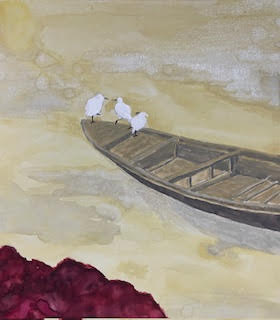
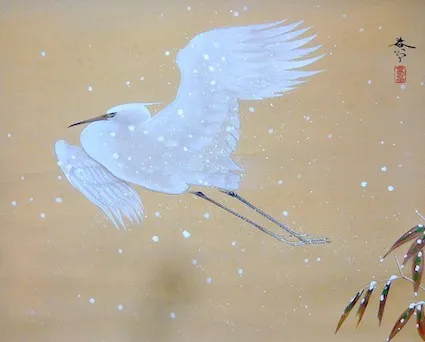
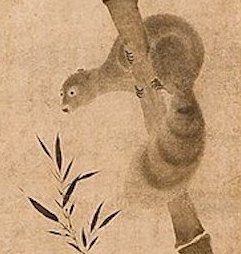
In these paintings, Utsumi reimagines celebrated works by Takata Enjō and Hishida Shunsō, paying homage while simultaneously creating something distinctly her own. Through subtle alterations in colour, atmosphere, and compositional nuance, she breathes fresh life into familiar imagery. Yet, like generations of Japanese artists before her, she remains enchanted by the timeless allure of the egret, a bird whose symbolic richness continues to inspire artistic expression.
Takata Enjō was born amid the vibrant cultural tapestry of the Edo Period. While he absorbed the influence of the revered Kanō school, he also drew inspiration from a broader range of artistic currents flowing through Japan. His paintings reveal an understated freedom and warmth, suggesting an artist whose vision extended beyond rigid convention and embraced a more intimate humanity.
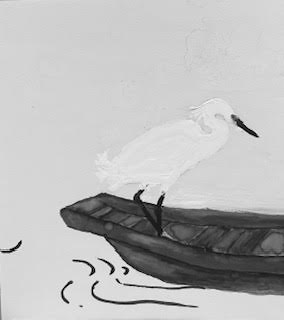
The highly acclaimed Hishida Shunsō (1874–1911) emerged during the transformative Meiji era (1868–1912). Although his life was tragically brief, his artistic achievements left an enduring mark on Japanese art. One cannot help but wonder what further heights he might have reached had fate granted him more years.
The National Diet Library notes that Shunsō “…came up to Tokyo and studied under Masaaki Yuki. In the following year, he entered the Tokyo School of Fine Arts and received lessons from Gaho Hashimoto and others. After graduation, as a part-timer at the Imperial Museum, he was engaged in the reproduction of classical pictures in Kyoto and at Koyasan.”
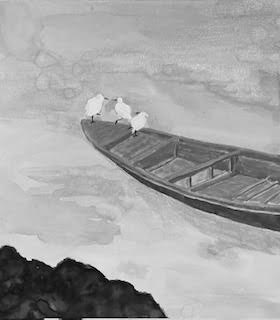
Ultimately, Utsumi’s interpretations possess a quiet poetry of their own. Her refined palette and delicate treatment of the egret create new emotional dimensions while preserving the spirit of the originals. Significantly, many of her works explore themes rooted in both Buddhism and Shintoism, reflecting the spiritual duality that has long shaped Japanese culture. In this context, the egret appears not merely as a beautiful bird, but as a luminous symbol that glides effortlessly between the natural and the sacred, carrying echoes of faith, tradition, and artistic continuity across the centuries.
https://fineartamerica.com/featured/noble-egrets-sawako-utsumi.html – The Noble Egret
https://fineartamerica.com/featured/graceful-japanese-egret-and-tranquility-sawako-utsumi.html – The Egret and Tranquility
MODERN TOKYO TIMES – MODERN TOKYO NEWS – please check https://moderntokyonews.com
Please check Modern Tokyo News at https://moderntokyonews.com for articles going back over 10 years. Sadly, Modern Tokyo Times got hacked and lost 14 years of articles…

Modern Tokyo News is part of the Modern Tokyo Times group
http://moderntokyotimes.com Modern Tokyo Times – International News and Japan News
http://sawakoart.com – Sawako Utsumi’s website and Modern Tokyo Times artist
https://moderntokyonews.com Modern Tokyo News – Tokyo News and International News
PLEASE JOIN ON TWITTER
https://twitter.com/MTT_News Modern Tokyo Times
PLEASE JOIN ON FACEBOOK