
Japan Poetry: Prince Ōtsu (663–686) and A Farewell Beneath the Clouds
Lee Jay Walker
Modern Tokyo Times
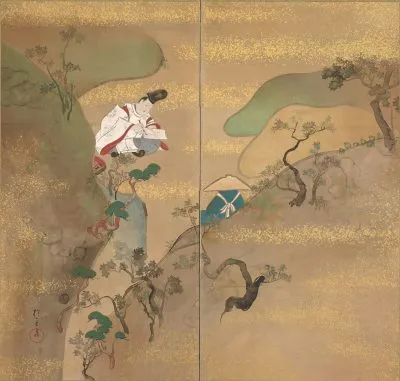
Prince Ōtsu (663–686) was born into a world steeped in elegance, ritual, poetry, and imperial splendour. The court of Asuka shimmered with silk and incense, music and calligraphy, and for a time his destiny seemed to glow with promise. He was not merely a prince, but a cultivated soul, shaped by refinement and a deep sensitivity to beauty. Everything suggested that a radiant future lay before him, yet the splendour surrounding his early life would eventually give way to an unbearably cruel fate.
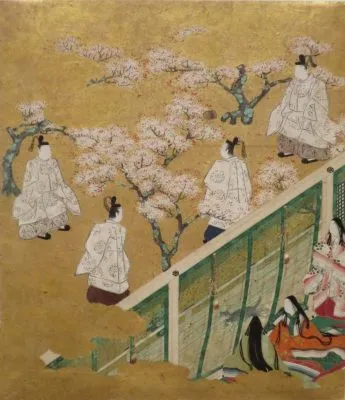
As in all courts where power and blood intertwine, however, shadows gathered. Beneath the lacquered surfaces of harmony stirred jealousy, ambition, and fear. In 686, following the death of his father, Emperor Tenmu, the fragile architecture of trust collapsed. The political cosmos tilted, and Prince Ōtsu found himself suddenly standing in the path of ruthless intrigue. Accusations of treason were levelled against him, drawing an increasingly deadly silken net around a prince whose cultivated spirit offered little protection against the merciless calculations of imperial politics.
Knowing that death was no longer a distant possibility but an imminent certainty, Prince Ōtsu turned inward. In the final quiet before his execution, he composed what is now regarded as one of Japan’s earliest surviving jisei — a farewell poem to life:
Today, taking my last sight of the mallards
Crying on the pond of Iware,
Must I vanish into the clouds!
These lines are not filled with protest or rage. Instead, they are luminous with stillness, although their beauty carries an almost unbearable sadness. The mallards cry upon the water; the pond reflects the sky; and the poet himself prepares to disappear into the clouds. It is as if Ōtsu, standing on the threshold between existence and oblivion, understands that the world he cherished is slipping beyond his reach. Nature continues its quiet rhythms, even when human lives are cruelly interrupted.
Outwardly, the poem breathes serenity. Yet beneath its surface one can sense the terrible weight of what was about to unfold — the fear of oblivion, the sorrow of an unjust death, and the ache of leaving behind those he loved. He had a consort and a child, and must have understood that his execution would leave wounds extending far beyond his own passing. His calm, therefore, is not naïve. It is the stillness of someone who has looked into the abyss, knowing that the beauty of life will continue without him.
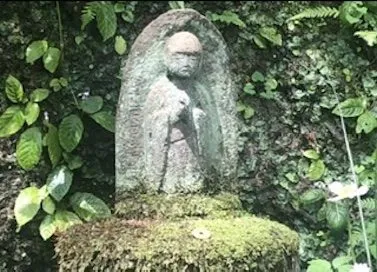
His consort, unable to endure a world without him, took her own life shortly after Ōtsu was executed. Their tragedy casts an even darker shadow over the political events of 686. Two lives bound by love were torn apart by the brutal machinery of court intrigue, leaving behind a sorrow that reaches across the centuries.
Henjō, a revered Buddhist monk (816–890), wrote beautifully:
On his way to leave the world, a man
Comes to rest
Beneath the trees
But he finds no shade
For every Autumn leaf has fallen.
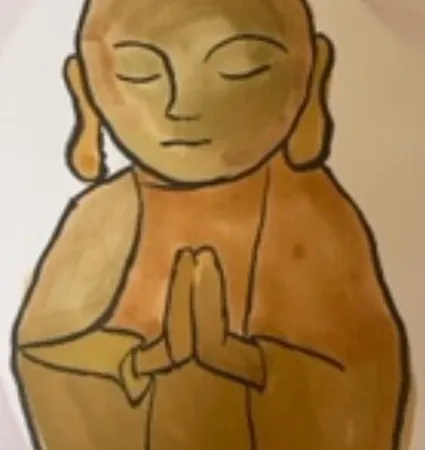
When Prince Ōtsu gazed upon the mallards for the last time, he was not merely watching birds upon a pond. Perhaps he was contemplating everything he was about to lose — his child, his beloved, the courtly world of poetry and beauty, and the fragile miracle of existence itself. The mallards became symbols of all that remained living, moving, and free, while his own journey was approaching its terrible conclusion.
And so, as he prepared to vanish “into the clouds,” Prince Ōtsu left behind not bitterness, but a haunting and delicate trace. His farewell continues to ripple across the centuries like water disturbed by the wings of birds taking flight. There is something profoundly melancholy in the knowledge that the natural world he observed would continue to flourish, while the young prince who captured its beauty was denied the opportunity to grow old.
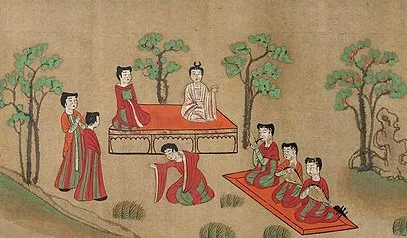
Sōgi, another revered Buddhist monk (1421–1502), wrote after the death of a loved one:
We may realize
that people are merely dreams:
the house abandoned,
its wild garden becomes home
to a swarm of butterflies.
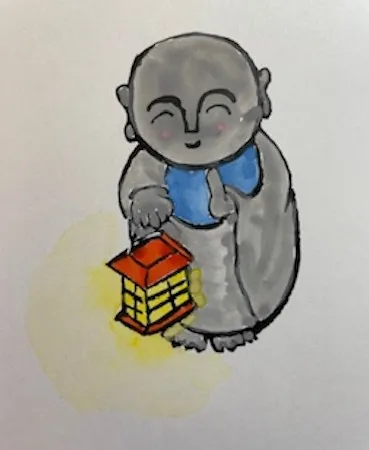
The passing of human beings, the impermanence of worldly attachments, and the transformation of nature are recurring themes in Japanese poetry and Buddhist thought. Sōgi’s butterflies suggest that life continues its mysterious journey, even when familiar voices have fallen silent and the places once filled with human warmth become empty. Such reflections seem especially poignant when considering Prince Ōtsu and his consort, whose love and tragedy became inseparable from the turbulent history of the imperial court.
It is hoped that the mystery of this life opened the gates for Prince Ōtsu and his consort — a love that existed in this world, was cruelly interrupted by death, and was carried into the grave by both. Their story remains a sorrowful reminder that beneath the splendor of imperial history were human hearts, fragile lives, and affections that political ambition could destroy but time could never entirely erase.
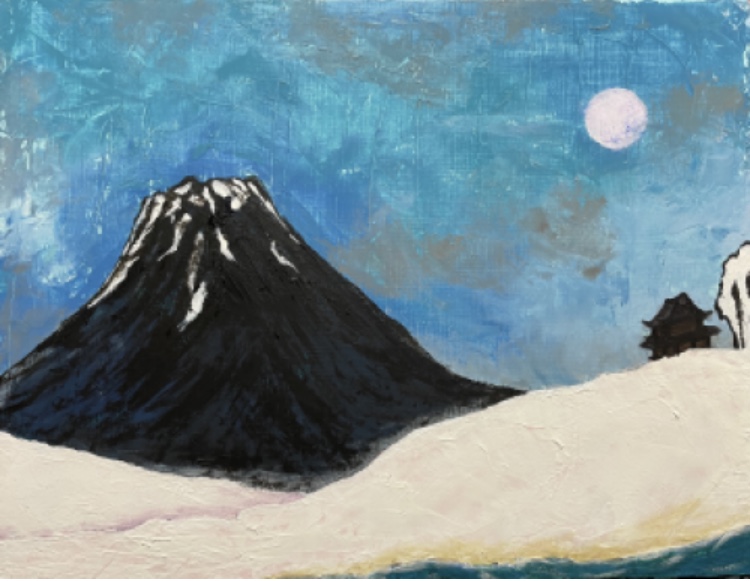
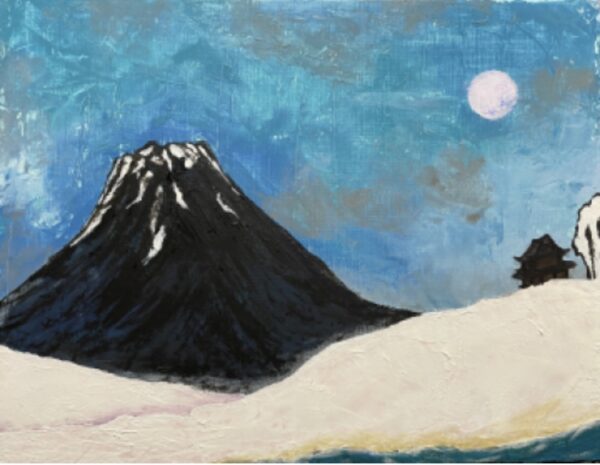
ART BY SAWAKO UTSUMI (CONTEMPORARY ARTIST)
https://fineartamerica.com/featured/the-desolate-japanese-buddhist-path-sawako-utsumi.html
https://fineartamerica.com/featured/jizo-in-contemplation-buddhism-sawako-utsumi.html
https://fineartamerica.com/featured/japanese-buddhist-holy-men-in-the-deep-winter-sawako-utsumi.html
https://fineartamerica.com/featured/the-buddhist-lantern-of-life-and-jizo-sawako-utsumi.html
https://moderntokyonews.com/category/japan-culture/ Past JAPAN CULTURE articles via MODERN TOKYO NEWS
MODERN TOKYO TIMES – MODERN TOKYO NEWS – please check https://moderntokyonews.com
Please check Modern Tokyo News at https://moderntokyonews.com for articles going back over 12 years. Sadly, Modern Tokyo Times got hacked and lost 14 years of articles…

Modern Tokyo News is part of the Modern Tokyo Times group
http://moderntokyotimes.com Modern Tokyo Times
http://sawakoart.com – Sawako Utsumi’s website and Modern Tokyo Times artist
https://moderntokyonews.com Modern Tokyo News
PLEASE JOIN ON FACEBOOK
http://facebook.com/moderntokyotimes