
Japanese Art and High Culture (Pre-Edo to Meiji Born Artists)
Lee Jay Walker
Modern Tokyo Times
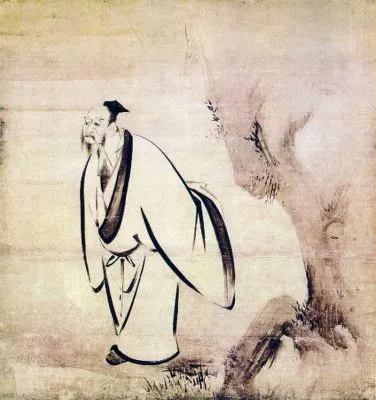
The influence of Buddhism on the art of Kaihō Yūshō (1533–1615) is unmistakable, just as Buddhism occupied an important place throughout his life. He was far from alone in this respect, for many Japanese artists of his era drew inspiration from Buddhist thought, imagery, and spiritual traditions. Yet Yūshō represents a particularly harmonious meeting of faith and artistic expression. As a lay Buddhist priest who had once served as a page at the renowned Tōfuku-ji temple in Kyoto, his artistic development was closely connected to one of Japan’s great centres of Zen culture.
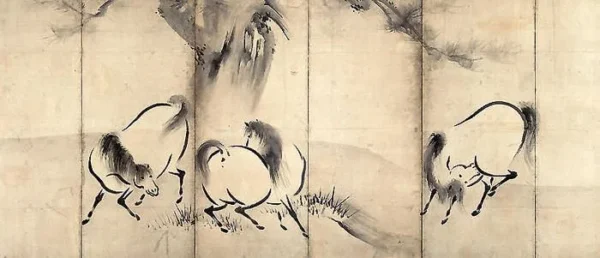
During his years at Tōfuku-ji, Yūshō encountered prominent Zen Buddhist priests and absorbed a cultural world in which painting, spirituality, poetry, philosophy, and learning were not necessarily separate pursuits. His experiences deepened his understanding of Zen while also opening a window onto the refined traditions of Kyoto, the enduring influence of Chinese art, and the broader cultural currents that enriched Japanese civilization. In this sense, his paintings can be viewed not merely as works of aesthetic beauty, but as part of a much older conversation between the sacred, nature, human contemplation, and artistic expression.
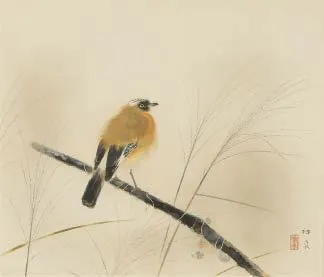
Tokuoka Shinsen (1896–1972) was born near Kyoto, a region where centuries of Buddhist, Shinto, artistic, and literary traditions converged. The cultural landscape surrounding Kyoto, together with the spiritual importance of places such as Koyasan and Nara, formed part of the wider inheritance available to an artist raised within this historical environment.
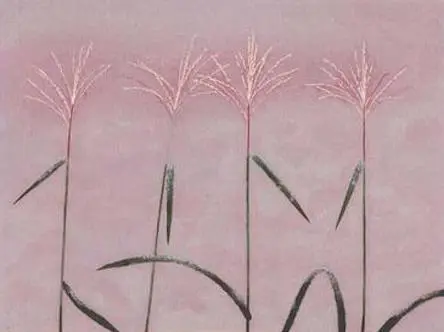
Born during the Meiji Period (1868–1912), Shinsen came of age during an era when Japan was experiencing extraordinary political, social, and cultural transformation. Traditional Japanese aesthetics encountered new ideas and artistic influences from abroad, creating a period of both tension and creative possibility. Yet the spiritual and cultural memory of places such as Kyoto, Nara, and Koyasan remained deeply embedded within Japanese artistic consciousness. Shinsen’s life therefore belongs to a fascinating period in which the old and the new continued to meet, interact, and reshape one another.
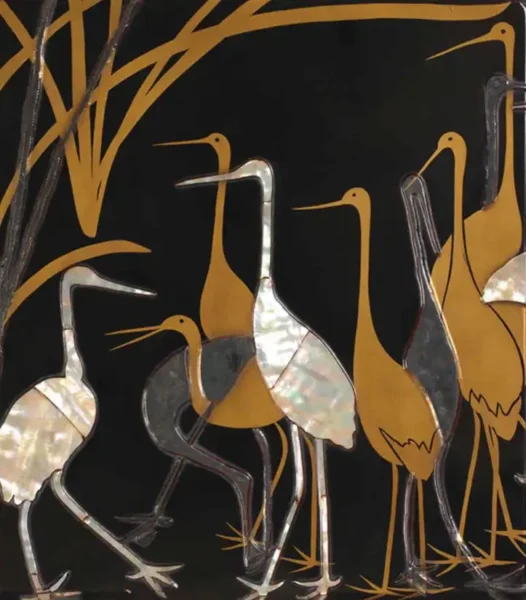
Ogata Kōrin (1658–1716) was born during the early Edo Period and spent much of his artistic life in Kyoto, a city whose refined traditions of beauty, craftsmanship, literature, religion, and high culture profoundly influenced Japanese aesthetics. His sophisticated use of form, colour, pattern, and natural imagery reflects an artistic world in which beauty could be both highly decorative and deeply rooted in the cultural traditions of Japan.
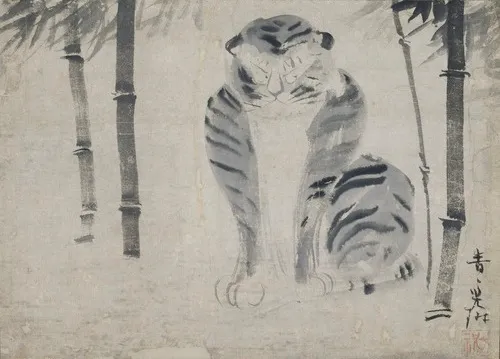
Kōrin’s younger brother, Ogata Kenzan (1663–1743), became one of the celebrated ceramicists of the Edo Period while also possessing considerable ability as a painter. The two brothers are closely associated with the Rinpa tradition, yet their artistic paths reveal the remarkable breadth of this cultural movement. Kōrin concentrated primarily on painting, while Kenzan devoted much of his creative energy to ceramics, frequently transforming functional objects into vehicles for artistic expression.
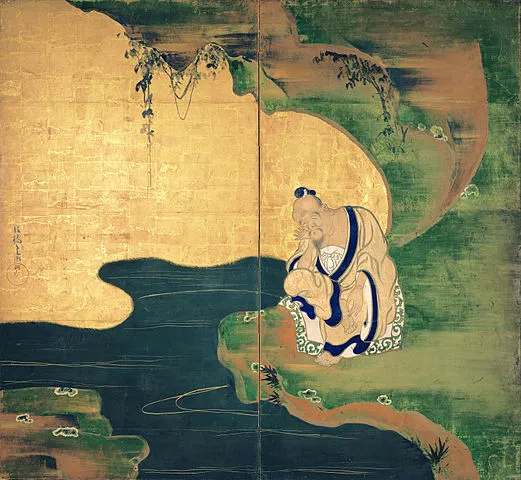
Together, the brothers demonstrate how Japanese high culture could move effortlessly between different artistic forms. Painting, ceramics, poetry, nature, craftsmanship, and refined aesthetics were interconnected rather than confined to separate worlds. Their legacy also illustrates one of the enduring characteristics of Japanese art: the ability to preserve older cultural traditions while continually finding new ways to express beauty.
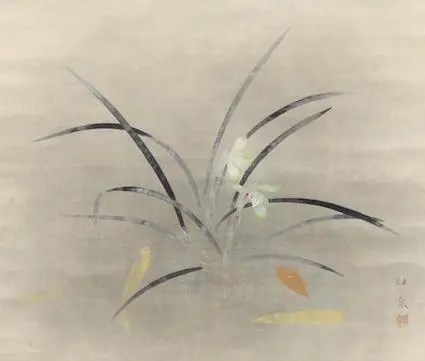
Across these different periods (last art piece by Shinsen), from Yūshō’s Zen-influenced world to Shinsen’s Meiji-era transformation and the sophisticated aesthetics of Kōrin and Kenzan, Japanese art reveals a continuing dialogue between spirituality, nature, craftsmanship, history, and human creativity.
https://moderntokyonews.com/?s=Art Past articles about ART via MODERN TOKYO NEWS (Modern Tokyo Times group)
MODERN TOKYO TIMES – MODERN TOKYO NEWS – please check https://moderntokyonews.com
Please check Modern Tokyo News at https://moderntokyonews.com for articles going back over 10 years. Sadly, Modern Tokyo Times got hacked and lost 14 years of articles…

Modern Tokyo News is part of the Modern Tokyo Times group
http://moderntokyotimes.com Modern Tokyo Times – International News and Japan News
http://sawakoart.com – Sawako Utsumi and her website – Modern Tokyo Times artist
https://moderntokyonews.com Modern Tokyo News – Tokyo News and International News
PLEASE JOIN ON FACEBOOK
http://facebook.com/moderntokyotimes