
Japanese Authors and the Tragedy of Ichiyō Higuchi (1872–1896)
Lee Jay Walker
Modern Tokyo Times
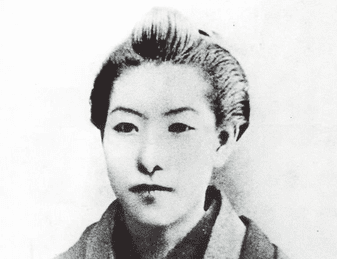
The Japanese novelist Ichiyō Higuchi (1872–1896) moved through life as though fate had marked her for sorrow. Tuberculosis haunted her family like an unrelenting shadow, first claiming her father, then her brother, and finally taking her own life when she was only twenty-four. She left behind the faint outline of a future that would never be fulfilled.
Her literary genius was only beginning to blossom when illness overtook her. Readers can only wonder how her voice might have matured, how her prose might have expanded into even richer emotional and psychological landscapes. At the very moment this remarkable young writer was discovering her artistic confidence, the same disease that had devastated her family silenced her forever, leaving the image of a radiant flower cut from its stem before midsummer.
Short fiction became her chosen medium, although poetry had stirred her imagination from an early age. Her inner world possessed a rare refinement and quiet luminosity, standing in striking contrast to the harsh realities endured by her parents, who had risen from humble peasant origins.
From the age of fourteen, Higuchi immersed herself in classical poetry while confiding her deepest anxieties to her diary. There she lamented the rigid social order that confined so many lives in Meiji Japan, writing candidly about the suffocating weight of poverty and the quiet despair that settled over her household. In one poignant reflection she confessed, “There is no path before me; yet I must go on.” Those few words capture both her loneliness and her extraordinary resolve.
The deaths of her father and brother between 1887 and 1889 plunged the family into profound uncertainty. Their failed business venture had already weakened their finances, and grief allowed little respite. After relocating to Tokyo’s Hongo district, Higuchi supported her mother and sister through sewing and laundry work, enduring a relentless struggle for survival even as her literary talent burned ever brighter beneath the weight of hardship.
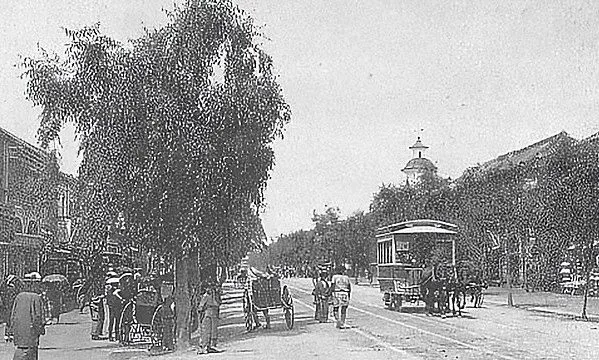
Her earliest writings were sometimes criticized for drawing too heavily upon the elegant cadences of Heian literature. Yet what some dismissed as excessive classicism revealed the depth of her artistic vision. Beneath the graceful language lay an acute awareness of the suffocating hierarchies of Meiji society—its ambitions, pretensions, and quiet cruelties. Classical expression became more than an aesthetic choice; it was a subtle assertion of intellect and dignity in a society all too willing to overlook a young woman of modest means.
Her breakthrough arrived with the quiet force of dawn breaking through storm clouds. Umoregi (In Obscurity) announced a distinctive new literary voice. When the prestigious Miyako no Hana journal published the story in late 1892, critics and readers alike recognized the brilliance that had long flickered beneath the surface.
Yet recognition brought little relief from hardship. Mounting financial pressures forced Higuchi, her mother, and her sister to relocate to the outskirts of Yoshiwara, Tokyo’s notorious licensed pleasure district. What initially seemed a humiliating descent became the defining influence on her mature work. Living among women whose lives were shaped by poverty, exploitation, resilience, and fragile hope, Higuchi gained an intimate understanding of society’s neglected margins. Yoshiwara’s world of flickering lanterns and hidden sorrows deepened her compassion and endowed her fiction with extraordinary psychological insight and moral subtlety.
From this crucible emerged the masterpieces that secured her place among Japan’s greatest writers: Jūsan’ya (The Thirteenth Night), Nigorie (Troubled Waters), Ōtsugomori (The Last Day of the Year), Takekurabe (Growing Up), Wakaremichi (Separate Ways), and Yamiyo (In the Dark). Each bears the imprint of a life lived between poverty and brilliance, vulnerability and resilience, society’s shadows and the enduring light of artistic truth.
Her mentor, Nakarai Tōsui, recognized that rare brilliance early, observing of the young writer, “She possesses a talent unlike any other.” Time has only strengthened that judgment.
Though Ichiyō Higuchi’s life was heartbreakingly brief, her literary light has never dimmed. During Japan’s transformative Meiji era, she gave voice to the forgotten, the impoverished, and the marginalized with rare compassion and poetic grace. More than a century after her passing, her works continue to remind readers that profound humanity and artistic brilliance can flourish even amid hardship, ensuring that her voice will inspire future generations.
https://moderntokyonews.com/category/japan-culture/ Past JAPAN CULTURE articles via MODERN TOKYO NEWS
MODERN TOKYO TIMES – MODERN TOKYO NEWS – please check https://moderntokyonews.com
Please check Modern Tokyo News at https://moderntokyonews.com for articles going back over 12 years. Sadly, Modern Tokyo Times got hacked and lost 14 years of articles…

Modern Tokyo News is part of the Modern Tokyo Times group
http://moderntokyotimes.com Modern Tokyo Times – International News and Japan News
http://sawakoart.com – Sawako Utsumi and her website – Modern Tokyo Times artist
https://moderntokyonews.com Modern Tokyo News – Tokyo News and International News
PLEASE JOIN ON TWITTER
https://twitter.com/MTT_News Modern Tokyo Times
PLEASE JOIN ON FACEBOOK
http://facebook.com/moderntokyotimes