
Edo Art and Japanese Culture
Lee Jay Walker
Modern Tokyo Times
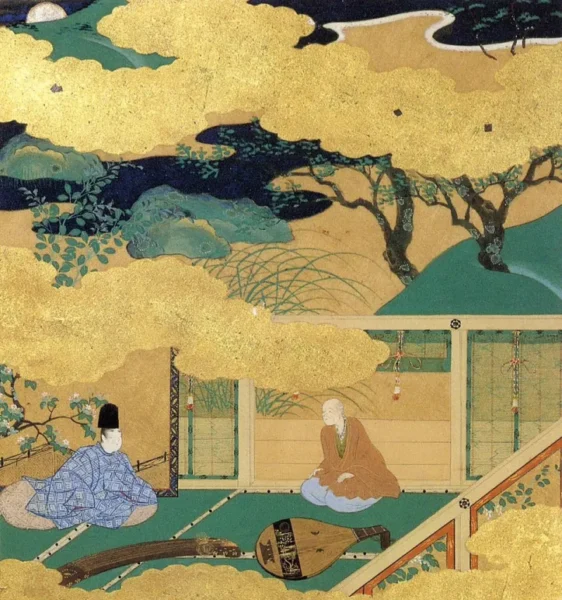
The Edo period emerged in the early seventeenth century like a curtain rising upon a transformed Japan — politically unified, culturally self-assured, and artistically vibrant. Amid this new age stood Tosa Mitsuoki (1617–1691), one of the defining painters of early Edo Japan and the visionary who restored the fortunes of the venerable Tosa school.
Mitsuoki inherited more than a celebrated family name—he inherited the responsibility of preserving one of Japan’s oldest artistic traditions. The Tosa school, long associated with the refined tastes of the imperial court, had declined as military patronage and changing artistic fashions reshaped the cultural landscape. Yet Mitsuoki possessed not only exceptional artistic talent but also remarkable cultural insight. By relocating to Kyoto—the ancient imperial capital and enduring heart of courtly civilization — he re-established close ties with aristocratic patrons and literary circles. Through artistic brilliance, diplomacy, and an unwavering commitment to tradition, he restored the prestige of the Tosa atelier. Like the celebrated Kano masters, the Tosa lineage successfully adapted to a changing age, with Mitsuoki serving as the architect of its renewal. Under his leadership, the family line — and adopted successors who carried the Tosa name — flourished once more throughout the Edo period.
The Metropolitan Museum of Art notes that the Tosa school became renowned for its exquisitely refined and brilliantly coloured yamato-e paintings, celebrating themes deeply rooted in Japanese culture. Courtly romances, the changing seasons, celebrated landscapes, and episodes from classical literature were rendered with lyrical elegance and meticulous detail. Above all, The Tale of Genji became an enduring source of inspiration, allowing painters to transform literary masterpieces into richly decorative visual narratives that embodied the aesthetic ideals of the imperial court.
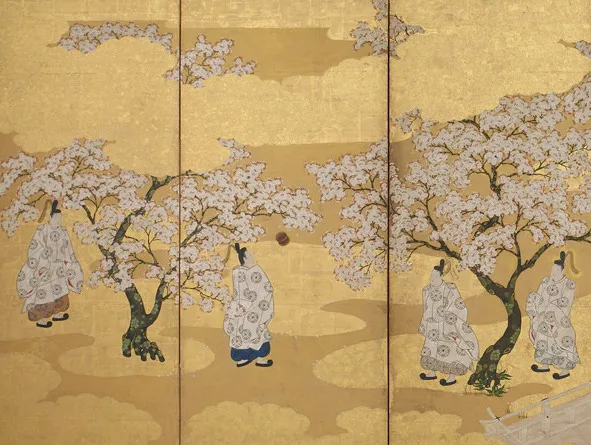
Yet Mitsuoki’s artistic vision extended beyond narrative painting. He also became celebrated for intimate depictions of birds and flowers, where quails resting among autumn grasses or blossoms conveyed both seasonal beauty and quiet contemplation. These works reveal an accomplished dialogue with the poetic naturalism of China’s Southern Song dynasty while remaining unmistakably Japanese in sensibility.
Within this tranquil world of feathers, blossoms, and shifting seasons, Mitsuoki achieved a remarkable harmony between delicacy and compositional strength. A rare painting of two elegant egrets standing beside blooming cotton roses—quite different from his more familiar quail compositions—demonstrates both his versatility and restrained poetic vision. Every element appears suspended in serene stillness, inviting contemplation of nature’s enduring rhythms and the subtle beauty prized in Japanese aesthetics.
To appreciate Mitsuoki’s achievement, one must also look back to Tosa Mitsunobu, whose genius firmly established the Tosa school as the foremost painting atelier of the imperial court. Supported by influential aristocratic patrons, Mitsunobu secured the school’s position as official painters to the court, creating a legacy that endured for centuries. Together with Tosa Mitsunaga, these masters are often regarded as the “Three Great Brushes” of the Tosa tradition, each representing a pivotal era of artistic renewal while safeguarding Japan’s classical visual heritage.
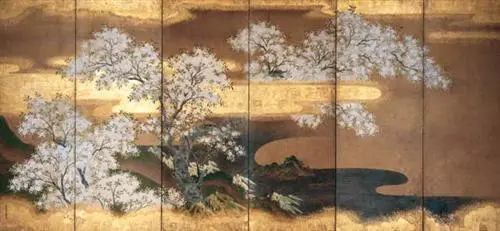
As the British Museum explains, generations of Tosa painters served as official artists to the imperial court from the fifteenth through the nineteenth centuries. Although the family name is traditionally linked to Tosa Province in Shikoku and to the thirteenth-century court painter Fujiwara no Tsunetaka, the school’s artistic lineage reaches back even further, drawing inspiration from the refined court culture of the Heian period. Their steadfast devotion to yamato-e, classical poetry, and literary masterpieces such as Genji monogatari preserved a distinctly Japanese artistic identity even as continental influences and changing political realities reshaped the nation.
Mitsuoki’s achievement, therefore, was far more than the revival of a single painting school. He became a guardian of Japan’s cultural memory, standing at the intersection of imperial refinement and samurai rule, of native tradition and continental influence, of inherited elegance and artistic renewal. By restoring the Tosa school to prominence during the seventeenth century, he ensured that the aesthetics of the imperial court would continue to inspire generations of artists throughout the Edo period.
In Mitsuoki’s brush, Japan’s classical spirit did not fade with time. It found new life, blossoming once again with quiet elegance and enduring cultural grace.
https://moderntokyonews.com/?s=Art Past articles about ART via MODERN TOKYO NEWS (Modern Tokyo Times group)
MODERN TOKYO TIMES – MODERN TOKYO NEWS – please check https://moderntokyonews.com
Please check Modern Tokyo News at https://moderntokyonews.com for articles going back over 12 years. Sadly, Modern Tokyo Times got hacked and lost 14 years of articles…

Modern Tokyo News is part of the Modern Tokyo Times group
http://moderntokyotimes.com Modern Tokyo Times – International News and Japan News
http://sawakoart.com – Sawako Utsumi’s website and Modern Tokyo Times artist
https://moderntokyonews.com Modern Tokyo News – Tokyo News and International News
PLEASE JOIN ON TWITTER
https://twitter.com/MTT_News Modern Tokyo Times
PLEASE JOIN ON FACEBOOK
https://www.facebook.com/moderntokyotimes