
Japanese Art and Kawabata Gyokusho
Lee Jay Walker
Modern Tokyo Times
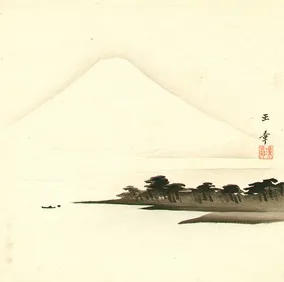
Kawabata Gyokusho (1842–1913) was born beneath the fading lantern glow of the late Edo period and departed this world as the dawn of the Taishō era began to illuminate Japan. His artistic spirit, however, found its fullest expression during the Meiji period (1868–1912), an age of profound transformation, where tradition and modernity met in a delicate and often uneasy embrace.
At just eleven years of age, Gyokusho commenced his artistic apprenticeship under Nakajima Raishō in the early 1850s. These formative years immersed him in the refined aesthetics of the Shijō and Maruyama schools, where natural beauty, graceful simplicity, and emotional subtlety formed the heart of artistic expression. Yet Gyokusho was never content to remain solely within inherited boundaries. Guided by curiosity as much as discipline, he also explored Western-style painting, recognizing that new artistic horizons were emerging as Japan opened its doors to the wider world.
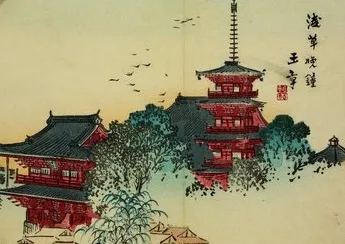
The paintings he left behind possess a quiet eloquence. Their restrained compositions and uncluttered spaces reveal an artist who understood that true beauty often resides in what is left unsaid. Every brushstroke carries the calm assurance of a master deeply rooted in Kyoto’s aesthetic traditions, while gently reflecting the spiritual sensibilities shaped by Buddhism and the enduring reverence for nature that permeates Japanese culture. His art never demands attention — it invites contemplation.
As the Birmingham Museum of Art observes: “Kawabata Gyokusho was born in Kyoto but moved to Tokyo in 1866 to briefly study Western-style painting with the English artist Charles Wirgman (1832–1891). In 1890 he was appointed professor at the Tokyo School of Fine Arts where he taught the traditional Japanese Shijō style of painting.”
Gyokusho thus stood at the meeting point of two artistic worlds. He welcomed fresh influences from the West without surrendering the essence of Japan’s artistic inheritance. In doing so, he became both an innovator and a guardian—a bridge between cultures who demonstrated that renewal need not come at the expense of identity.
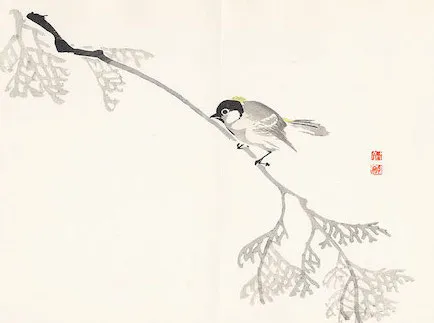
His life and legacy echo the timeless wisdom of the revered Buddhist monk Nichiren (1222–1282), who wrote: “That which you give to another will become your own sustenance; if you light a lamp for another, your own way will be lit.”
By nurturing successive generations of artists and safeguarding the quiet elegance of traditional Japanese painting during one of the nation’s most transformative eras, Kawabata Gyokusho ensured that the lamp he lit would never be extinguished. Its gentle radiance continues to illuminate the enduring beauty, harmony, and spiritual depth of Japanese art.
https://moderntokyonews.com/?s=Art Past articles about ART via MODERN TOKYO NEWS (Modern Tokyo Times group)
MODERN TOKYO TIMES – MODERN TOKYO NEWS – please check https://moderntokyonews.com
Please check Modern Tokyo News at https://moderntokyonews.com for articles going back over 12 years. Sadly, Modern Tokyo Times got hacked and lost 14 years of articles…

Modern Tokyo News is part of the Modern Tokyo Times group
http://moderntokyotimes.com Modern Tokyo Times – International News and Japan News
http://sawakoart.com – Sawako Utsumi’s website and Modern Tokyo Times artist
https://moderntokyonews.com Modern Tokyo News – Tokyo News and International News
PLEASE JOIN ON TWITTER
https://twitter.com/MTT_News Modern Tokyo Times
https://www.facebook.com/moderntokyotimes/ Facebook