
Rinzai Zen Buddhist Compound in Saitama – Heirin-ji
Lee Jay Walker
Modern Tokyo Times
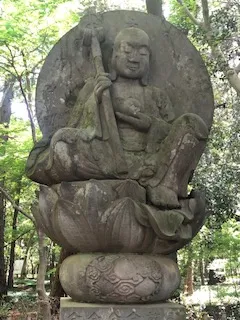
The delightful Buddhist compound of Heirinji (Heirin-ji) is a wonderful place to visit in Saitama Prefecture. Rooted in the Rinzai Zen tradition, this historic temple welcomes many visitors from Saitama and Tokyo (only around 35–45 minutes via train and bus from Ikebukuro in Tokyo), as well as travelers from further afield who seek quiet reflection, spiritual renewal, and a deeper connection with Buddhist teachings.
This serene Buddhist compound allows visitors to experience a harmonious union of Zen practice, religious devotion, and nature. Tall trees, winding woodland paths, and carefully maintained grounds embody a Buddhist appreciation of the natural world and the importance of living with greater awareness. Walking through Heirinji feels like entering a moving meditation, where rustling leaves and birdsong gently draw the mind toward mindfulness and inner stillness. In this setting, the simplicity of the surroundings becomes part of the spiritual experience, reminding visitors that contemplation need not be separated from everyday life.
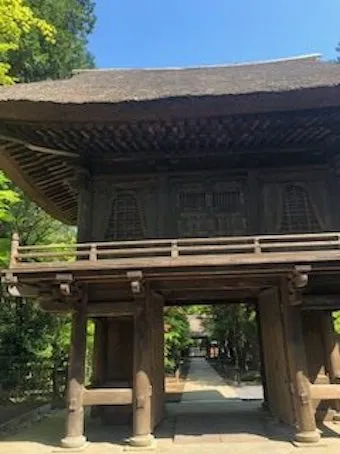
A fascinating ancient graveyard blends seamlessly into the forested landscape. Old stone monuments, weathered statues of bodhisattvas, and engraved inscriptions quietly testify to centuries of devotion and remembrance. The presence of these religious and funerary monuments encourages reflection on impermanence, compassion, and the continuity of life. Such themes occupy an important place in Buddhism, which teaches that existence is characterised by change and that wisdom begins, in part, with recognising the transient nature of worldly things. The graveyard therefore becomes more than a historical feature; it offers a solemn setting in which to contemplate mortality, spiritual understanding, and the value of living with compassion.
Buddha said, “One is not called noble who harms living beings. By not harming living beings one is called noble.” This teaching speaks to the Buddhist emphasis on non-harming, compassion, and the moral responsibility people have toward other living beings. Within the tranquil grounds of Heirinji, its meaning feels especially tangible. The quiet woodland and ancient monuments encourage visitors to move beyond the distractions of daily life and consider how Buddhist wisdom might inform their conduct, thoughts, and relationships with others.

At Heirinji, the spiritual experience is not confined to religious buildings or formal acts of worship. The temple environment itself encourages visitors to slow down, observe their thoughts, and become more conscious of the present moment. This is particularly relevant to Rinzai Zen, in which zazen (seated meditation), disciplined practice, and direct engagement with the nature of mind occupy important positions. The stillness of the grounds provides a natural setting for reflection, while the rhythms of the woodland remind visitors that spiritual awareness can begin with something as simple as walking quietly, listening, and observing.
The Heirinji Rinzai Buddhist Temple offers a sense of the distant past, a spiritual present, and a future that rests gently in the hands of each visitor. Even for those who feel far removed from organised religion, there is an undeniable sacred atmosphere here. The quiet Zen presence speaks beyond words, encouraging an appreciation of humility, simplicity, and the passing nature of human existence. In this respect, Heirinji reflects a wider Buddhist understanding that inner peace does not arise from the endless pursuit of material things, but from cultivating awareness and a more balanced relationship with the world.
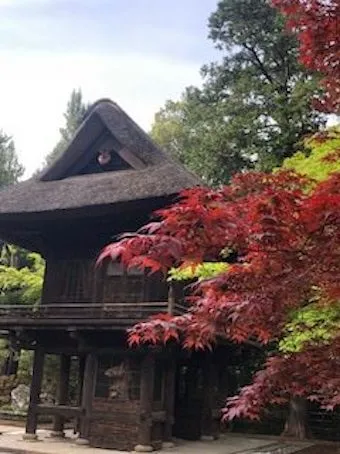
As noted in a past article: “Heirinji is a living Buddhist temple compound that still teaches monks. Thus, sometimes you see Buddhist monks working and maintaining the spacious grounds of Heirinji. Similarly, the entire Buddhist compound is well cared for concerning architecture, nature, the religious angle, and caring for the graveyard area.”
This living tradition is especially meaningful. Heirinji is not merely a historical site preserved for visitors; it remains an active centre of Zen training, where monks continue to study meditation (zazen), discipline, and the teachings of Rinzai Buddhism. The sight of monks maintaining the grounds also reflects the importance of everyday responsibilities within religious life. Care for the temple, its architecture, its natural surroundings, and its graveyard forms part of the wider environment in which Buddhist practice continues. The connection between spiritual discipline and practical activity gives Heirinji an authenticity that cannot be captured by history alone.
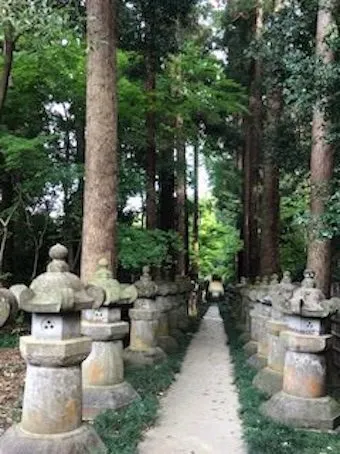
With roots stretching back hundreds of years, Heirinji embodies both historical depth and living spirituality. Watching monks quietly tending the grounds, hearing birds echo through the trees, and experiencing the calm of the forest encourages visitors to reflect on the relationship between humanity, nature, and the sacred. The Buddhist principle of impermanence gives these moments an added poignancy: the beauty of the present is inseparable from the knowledge that all things change. Rather than diminishing the value of life, this awareness can deepen appreciation for each passing moment.
Hence, a visit to Heirinji is spiritually uplifting and deeply rewarding. Whether one lives in Saitama, Tokyo, or far beyond, this Buddhist sanctuary offers a rare opportunity to relax, contemplate impermanence, and encounter the enduring teachings of Zen. Through its woodland paths, ancient monuments, and continuing monastic tradition, Heirinji brings together the historical and the living, the visible and the contemplative. It invites visitors to step away from the noise of everyday existence, refresh the soul, and approach the world with a calmer mind and a more compassionate spirit.
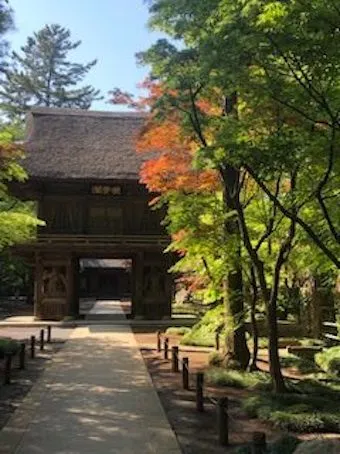
Overall, a visit to Heirinji is rewarding beyonds words – a time to contemplate, witness a living faith, recharge, and think about the bigger meaning to life!
http://www.heirinji.or.jp/index.html Heirinji official website
https://moderntokyonews.com/category/japan-culture Past articles about Japanese Culture via MODERN TOKYO NEWS (Modern Tokyo Times group)
MODERN TOKYO TIMES – MODERN TOKYO NEWS – please check https://moderntokyonews.com
Please check Modern Tokyo News at https://moderntokyonews.com for articles going back over 12 years. Sadly, Modern Tokyo Times got hacked and lost 14 years of articles…

Modern Tokyo News is part of the Modern Tokyo Times group
http://moderntokyotimes.com Modern Tokyo Times – International News and Japan News
http://sawakoart.com – Sawako Utsumi and Modern Tokyo Times artist
https://moderntokyonews.com Modern Tokyo News – Tokyo News and International News
PLEASE JOIN ON FACEBOOK
https://www.facebook.com/moderntokyotimes