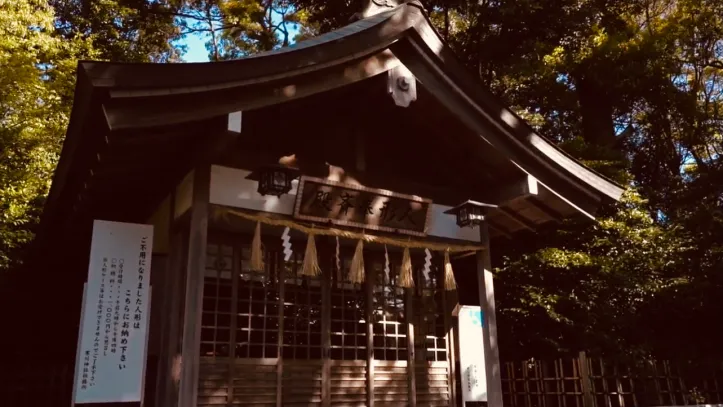
Tourism in Japan and Shintoism: Samukawa Shrine
Kanako Mita and Michiyo Tanabe
Modern Tokyo Times
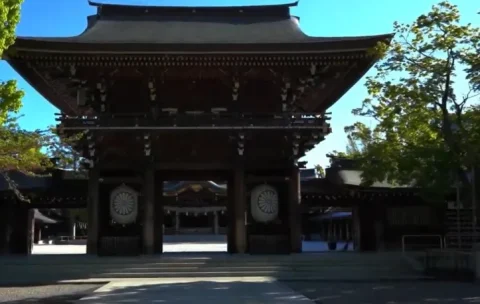
In a busy world shaped by uncertainty and constant motion, the restorative beauty of nature and the quiet mystery of faith remain enduring sanctuaries for the soul. Few places embody this harmonious union more elegantly than the revered Samukawa Shrine in Kanagawa Prefecture, a sacred destination within easy reach of Tokyo.
Nestled amid the tranquil landscapes between Atsugi and Chigasaki, near the life-giving waters of the Sagami River, this historic shrine offers a welcome retreat from the rhythms of modern life. Travelers can conveniently reach the shrine via rail connections from Tokyo, including the Tokaido Main Line and the Sagami Line, making it an accessible pilgrimage into the spiritual and cultural heart of Japan.
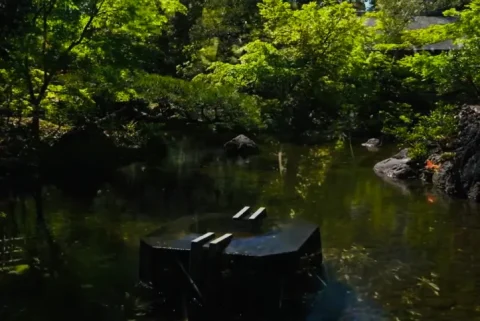
According to the official shrine website, “Samukawa-jinja Shrine was called ‘Ichi-no-miya in Sagami Province’ and boasts a history of about 1,600 years. It enshrines the unique guardian deity who presides over Happo-yoke in Japan.” The shrine further notes that it has long been venerated by all levels of society, from court nobles and renowned warriors — including Minamoto no Yoritomo, Takeda Shingen, and the Tokugawa clan—to ordinary citizens seeking spiritual protection and blessings.
Today, approximately two million visitors pass through its sacred grounds each year. Within the greater region encompassing Tokyo Metropolitan Area and the neighboring prefectures of Chiba Prefecture, Kanagawa, and Saitama Prefecture, Samukawa-Jinja stands among the most respected and influential Shinto shrines.
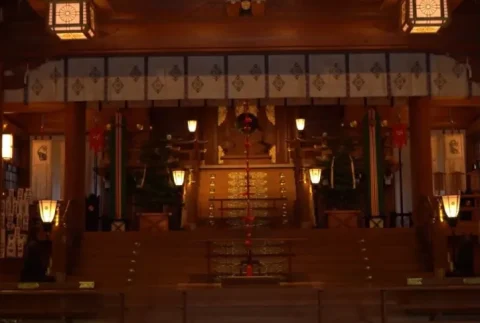
The precise origins of the shrine remain shrouded in the mists of history. Tradition often associates its foundation with the reign of Emperor Yūryaku during the fifth century. Whether this connection can be verified with complete certainty is less important than the remarkable continuity of devotion that has sustained the shrine across the centuries. Its longevity reflects the enduring strength of Japan’s spiritual heritage and the deep cultural reverence afforded to sacred places.
Enshrined within Samukawa-Jinja are the local kami, Samukawa-hiko no Mikoto and Samukawa-hime no Mikoto, who are collectively revered as Samukawa Daimyojin. Their presence reinforces the shrine’s ancient role as a guardian of harmony, protection, and spiritual well-being.
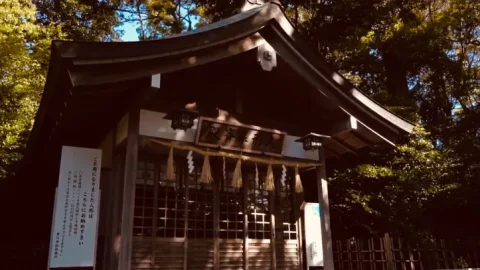
Beyond its religious significance, Samukawa-Jinja offers visitors an opportunity to experience a living expression of Japanese culture. Ancient traditions, seasonal rituals, sacred architecture, and the surrounding natural environment combine to create an atmosphere that evokes the spiritual sensibilities of generations past. A visit is not merely a journey to a shrine; it is an encounter with the cultural and spiritual currents that have shaped Japan for centuries.
For those seeking reflection, cultural enrichment, or a deeper appreciation of Japan’s enduring relationship between nature and the divine, Samukawa-Jinja remains a profoundly rewarding destination — one where history, faith, and the natural world continue to coexist in graceful harmony.
MODERN TOKYO TIMES – MODERN TOKYO NEWS – please check https://moderntokyonews.com
Please check Modern Tokyo News at https://moderntokyonews.com for articles going back over 10 years. Sadly, Modern Tokyo Times got hacked and lost 14 years of articles…

Modern Tokyo News is part of the Modern Tokyo Times group
http://moderntokyotimes.com Modern Tokyo Times – International News and Japan News
http://sawakoart.com – Sawako Utsumi’s website and Modern Tokyo Times artist
https://moderntokyonews.com Modern Tokyo News – Tokyo News and International News
PLEASE JOIN ON TWITTER
https://twitter.com/MTT_News Modern Tokyo Times
PLEASE JOIN ON FACEBOOK