Ebola Deaths in the DRC (Bundibugyo Strain)
Kanako Mita, Chika Mori, and Lee Jay Walker
Modern Tokyo Times
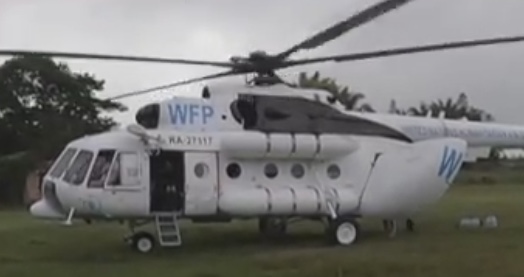
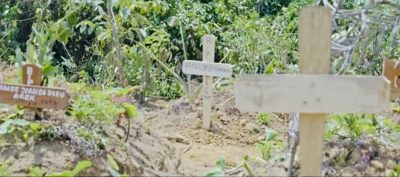
Another devastating outbreak of Ebola is once again blighting the Democratic Republic of the Congo (DRC). The nation’s already fragile health infrastructure continues to endure repeated waves of one of the world’s deadliest diseases. Yet, despite the gravity of the crisis, the DRC possesses painful and extensive experience in confronting Ebola, with this marking the 17th outbreak since the virus was first identified in the country.
Currently, no vaccine exists to counter the Bundibugyo strain of Ebola. Accordingly, the World Health Organization (WHO) announced that a possible vaccine for the Bundibugyo strain is unlikely to become available before early 2027.
Tedros Adhanom Ghebreyesus notified the media that, out of approximately 600 suspected cases, the death toll now stands at 139. He also cautioned that the number of suspected cases is likely to rise further.
He said: “The WHO assesses the risk of the epidemic as high at the national and regional levels and low at the global level.”
The WHO reports: “Unusual clusters of community deaths with symptoms compatible with Bundibugyo virus disease (BVD) have been reported across several health zones in Ituri, and suspected cases have been reported across Ituri and North Kivu. In addition, at least four deaths among healthcare workers in a clinical context suggestive of viral haemorrhagic fever have been reported from the affected area raising concerns regarding healthcare-associated transmission, gaps in infection prevention and control measures, and the potential for amplification within health facilities.”
Only months ago, the 16th Ebola outbreak to strike the DRC — centered in Kasai province — was declared over after claiming 45 lives from 64 recorded cases. Now, a fresh and deeply alarming outbreak has emerged in Ituri province, where at least 80 people are already reported to have died. Consequently, the health ministry is coordinating closely with both domestic and international health bodies in an urgent effort to prevent the crisis from spiraling further out of control.
The Guardian reports: “Ebola spreads through direct contact with body fluids from infected people or animals and causes symptoms that can include high fever, vomiting and internal and external bleeding. According to the WHO, the average fatality rate from Ebola is about 50%, varying from 25% to 90% in past outbreaks. This is the 17th Ebola outbreak in the DRC since the discovery of the virus.”
Last week, Samuel Roger Kamba Mulamba informed both the Congolese public and the wider international community that the Bundibugyo strain of the Ebola virus had been reported in Bunia, Mongwalu, and Rwampara.
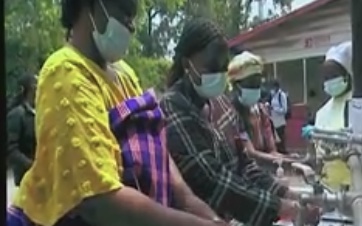
BBC News reports: “Local health workers say some facilities are being overwhelmed. Although personal protective equipment has started to arrive, they say they are still working without adequate protection.”
The DRC remains overwhelmed by an immense burden of health emergencies. Cholera, Ebola, HIV, malaria, measles, mpox, pneumonia, tuberculosis, and numerous other infectious diseases continue to ravage vulnerable communities. These public health crises are further intensified by chronic malnutrition, severe food insecurity, grinding poverty, limited access to clean water, and deeply underdeveloped infrastructure — all of which have been worsened by years of conflict and instability.
Tragically, the DRC is also plagued by entrenched ethnic and political tensions, compounded by interference from neighboring nations. Adding to the misery, a brutal Islamist terrorist organization originating from Uganda continues to massacre Christians and civilians in horrific attacks, further destabilizing already traumatized regions.
For the people of the DRC, Ebola is not merely a medical crisis — it is yet another brutal chapter in a wider struggle against conflict, poverty, displacement, insecurity, and chronic instability. Nevertheless, it is hoped that the latest outbreak can be swiftly contained before even greater tragedy unfolds.
MODERN TOKYO TIMES – MODERN TOKYO NEWS – please check https://moderntokyonews.com
Please check Modern Tokyo News at https://moderntokyonews.com for articles going back over 10 years. Sadly, Modern Tokyo Times got hacked and lost 14 years of articles…

Modern Tokyo News is part of the Modern Tokyo Times group
http://moderntokyotimes.com Modern Tokyo Times – International News and Japan News
http://sawakoart.com – Sawako Utsumi’s website and Modern Tokyo Times artist
https://moderntokyonews.com Modern Tokyo News – Tokyo News and International News
PLEASE JOIN ON TWITTER
https://twitter.com/MTT_News Modern Tokyo Times
PLEASE JOIN ON FACEBOOK