
Japanese Art and Edo Period: Maruyama Ōkyo (1733–1795)
Lee Jay Walker
Modern Tokyo Times
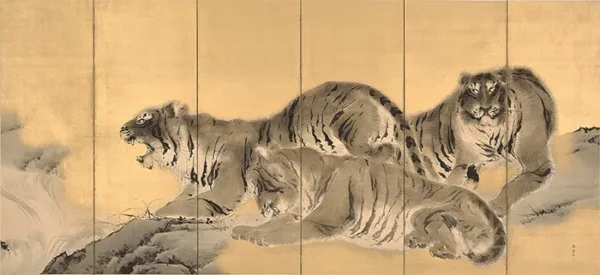
Maruyama Ōkyo (1733–1795) emerged as one of the great cultural visionaries of the Edo period, transforming Japanese painting through a harmonious fusion of tradition, observation, and innovation. Rooted in the timeless aesthetics of Japan, enriched by the poetic refinement of Chinese brushwork, and subtly informed by Western realism, Ōkyo forged a distinctive artistic language that reflected both the cultural inheritance of East Asia and the evolving spirit of Edo Japan.
Raised amid the rhythms of rural life, Ōkyo developed an enduring reverence for nature that would define his artistic philosophy. Under the guidance of the esteemed Ishida Yūtei, he embraced an education that valued curiosity over convention, allowing him to absorb diverse artistic traditions while remaining firmly anchored within Japan’s cultural landscape.
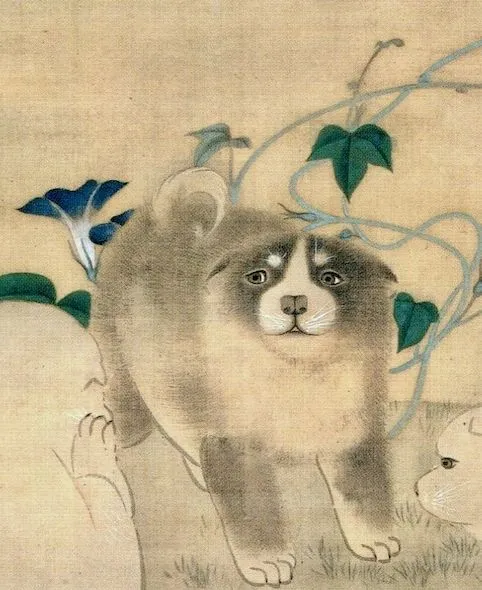
At the heart of Ōkyo’s art was an intimate dialogue with the natural world. Birds, flowers, animals, forests, and changing seasons were not merely decorative subjects but expressions of harmony, impermanence, and the spiritual beauty long celebrated in Japanese culture. Drawing inspiration from the refined Chinese tradition of bird-and-flower painting (kachō-ga), he sought not only outward likeness but the inner vitality that animated every living form.
Rather than simply adopting foreign models, Ōkyo transformed them through a distinctly Japanese sensibility. His paintings balanced meticulous observation with lyrical restraint, creating works that united realism with elegance, precision with atmosphere, and technical mastery with quiet contemplation. This cultural synthesis became the defining hallmark of the Maruyama School, influencing generations of artists across the archipelago.
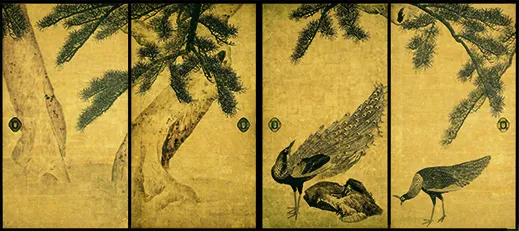
In the flourishing cultural capital of Kyoto, where imperial refinement, Zen aesthetics, merchant patronage, and centuries of artistic tradition converged, Ōkyo rose to become the city’s pre-eminent painter and teacher. Working across hanging scrolls, folding screens (byōbu), sliding doors (fusuma), and temple commissions, he united the graceful legacy of yamato-e with the disciplined vitality of Chinese ink painting, while embracing careful observation from life.
More than an artistic innovator, Maruyama Ōkyo became a cultural bridge between civilizations and generations. His paintings embody the enduring dialogue between Japan and China, the classical and the contemporary, craftsmanship and spirituality. Through this remarkable synthesis, he helped shape the visual identity of Kyoto and left an enduring legacy that continues to define the richness, refinement, and cultural confidence of Japanese art.
https://moderntokyonews.com/?s=Art Past articles about ART via MODERN TOKYO NEWS (Modern Tokyo Times group)
MODERN TOKYO TIMES – MODERN TOKYO NEWS – please check https://moderntokyonews.com
Please check Modern Tokyo News at https://moderntokyonews.com for articles going back over 12 years. Sadly, Modern Tokyo Times got hacked and lost 14 years of articles…

Modern Tokyo News is part of the Modern Tokyo Times group
http://moderntokyotimes.com Modern Tokyo Times – International News and Japan News
http://sawakoart.com – Sawako Utsumi’s website and Modern Tokyo Times artist
https://moderntokyonews.com Modern Tokyo News – Tokyo News and International News
PLEASE JOIN ON TWITTER
https://twitter.com/MTT_News Modern Tokyo Times
PLEASE JOIN ON FACEBOOK
http://facebook.com/moderntokyotimes