China and Peace Talks Progess between Afghanistan and Pakistan
Murad Makhmudov, Michiyo Tanabe, and Lee Jay Walker
Modern Tokyo Times
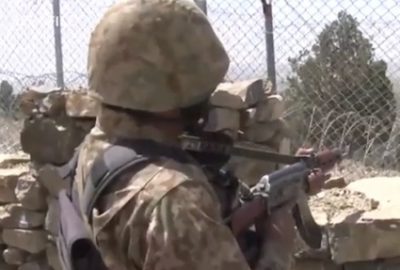
China under Xi Jinping is intensifying its diplomatic push to carve out a pathway to peace between Afghanistan and Pakistan. This effort comes in the shadow of mounting bloodshed since the conflict reignited—most tragically underscored by the deaths of civilians at a drug rehabilitation center in Kabul following a Pakistani airstrike.
Mao Ning, spokesperson for China’s Foreign Ministry, confirmed that “the consultation process is being steadily implemented and advanced” in Urumqi—where representatives from both nations are now engaged in pivotal talks.
She added with emphasis: “Since the recent escalation of the Pakistan–Afghanistan conflict, China has been mediating and promoting talks in its own way—maintaining close communication with both sides through multiple channels and at various levels, while actively creating conditions and platforms for sustained dialogue.”
From Islamabad’s perspective, Tahir Andrabi reiterated Pakistan’s stance: “Yes, Pakistan has sent a delegation to Urumqi, in line with its consistent position and longstanding practice of supporting a credible process that can deliver a durable solution to cross-border terrorism emanating from Afghanistan.”
According to Reuters, China—sharing a strategic western border with both nations—has stepped up mediation efforts in recent months. These include high-level calls with foreign ministers and the dispatch of a special envoy throughout March. The current talks in Urumqi therefore represent not a sudden initiative, but the continuation of Beijing’s calculated bid to position itself as a broker of stability.
Yet the urgency behind these talks cannot be overstated. The conflict has entered a deeply perilous phase, with the Kabul airstrike serving as a stark symbol of escalation. Scenes of devastation and mounting civilian casualties have sharpened the reality that both nations stand at the edge of a far wider crisis—even as each continues to accuse the other of fueling the violence.
At the heart of the dispute lies Pakistan’s assertion that Afghan authorities have failed to rein in militants tied to Tehreek-i-Taliban Pakistan (TTP), responsible for repeated attacks داخل Pakistan. Kabul firmly rejects this charge, insisting it must not be made a scapegoat for Pakistan’s internal security challenges.
Meanwhile, Volker Türk, the United Nations High Commissioner for Human Rights, delivered a stark warning: “The cycle of retaliation and violence only deepens the suffering of the wider population.”
Reporting from ABC News further underscores the volatility. Farid Dehqan, a police spokesperson in Afghanistan’s Kunar province, stated that Pakistani mortar fire killed two civilians and wounded six others—including four children—during sustained shelling that continued for hours.
Against this grim backdrop, the fragile hope now rests on whether both Afghanistan and Pakistan can move beyond entrenched accusations—listening with genuine intent, acknowledging shared stakes, and embracing the difficult compromises required for a lasting peace.

Modern Tokyo News is part of the Modern Tokyo Times group
http://moderntokyotimes.com Modern Tokyo Times – International News and Japan News
http://sawakoart.com – Sawako Utsumi’s website and Modern Tokyo Times artist
https://moderntokyonews.com Modern Tokyo News – Tokyo News and International News
PLEASE JOIN ON TWITTER
https://twitter.com/MTT_News Modern Tokyo Times
PLEASE JOIN ON FACEBOOK