Trump Warns Iran to Sign Deal or Face Kharg Island and Energy Attack
Kanako Mita, Sawako Utsumi, and Lee Jay Walker
Modern Tokyo Times
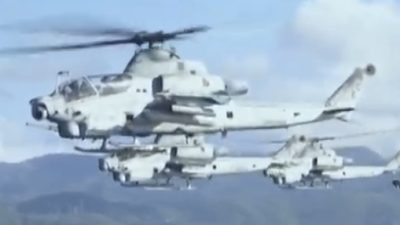
The Israel Defense Forces (IDF) and the Israeli Air Force (IAF), operating in concert with the armed forces of the United States, are no longer merely containing Iran—they are pursuing a sustained strategy aimed at eroding the very foundations of Iranian military power. The objective is unmistakable: to compel Tehran into terms aligned with the strategic interests of both Washington and Jerusalem. In parallel, Israel is intensifying its campaign against Hezbollah, seeking to dismantle Iran’s most potent regional proxy and sever a key arm of its influence in the Levant.
Yet, the war is proving far from one-sided. Iran’s expanding arc of retaliation—stretching across Gulf states and reaching outward toward Azerbaijan, Cyprus, and Turkey – underscores both its resilience and its willingness to widen the conflict. Despite overwhelming American and Israeli superiority in air and naval domains, Tehran is signaling that it retains both reach and resolve.
Amid this escalation, President Donald Trump of America has raised the stakes dramatically. His warning that Kharg Island could be seized or destroyed within days if no agreement is reached marks a stark inflection point. The threat to “obliterate” Iran’s energy infrastructure—oil wells, power generation, and desalination facilities—strikes not only at military capability but at the economic lifeblood of the Iranian state itself.
Washington’s demands remain sweeping: the reopening of the Strait of Hormuz and acceptance of a far-reaching 15-point framework. Tehran, however, dismisses these terms as detached from reality, even as it insists that meaningful dialogue has yet to occur directly.
In his characteristically blunt rhetoric, Trump suggested that negotiations may already be underway with what he described as a “more reasonable” future leadership in Iran—hinting at ambitions that extend beyond coercion into the realm of political transformation. At the same time, his remarks about potentially “taking the oil” from Kharg Island reveal a fusion of military pressure with economic opportunism.
Meanwhile, key European NATO actors are distancing themselves. Keir Starmer has reiterated that this is not Britain’s war, a position echoed across parts of NATO, including Spain. This reluctance highlights a widening strategic divide within the Western alliance and raises questions about how isolated—or emboldened—Washington and its closest partners may become.
All indicators point toward an approaching phase in the war. The continued buildup of American forces across the region, coupled with Israel’s intensifying operations in Lebanon, suggests that preparation is underway for a broader and more decisive confrontation.
Should Iran’s energy infrastructure come under direct assault, Tehran is likely to escalate in kind—potentially targeting Gulf energy networks and critical shipping arteries with far greater potency.
What emerges is a volatile equilibrium: overwhelming military superiority on one side, asymmetric reach and escalation on the other. The next stage of this conflict will not simply test the demands of America aand Israel—it will determine whether deterrence holds, or whether the region is drawn into a far wider and more destructive war whereby Gulf nations may be forced to take military action outside of the defensive mode.

Modern Tokyo News is part of the Modern Tokyo Times group
http://moderntokyotimes.com Modern Tokyo Times – International News and Japan News
http://sawakoart.com – Sawako Utsumi’s website and Modern Tokyo Times artist
https://moderntokyonews.com Modern Tokyo News – Tokyo News and International News
PLEASE JOIN ON TWITTER
https://twitter.com/MTT_News Modern Tokyo Times