Japanese Art and Birds (Culture)
Lee Jay Walker
Modern Tokyo Times
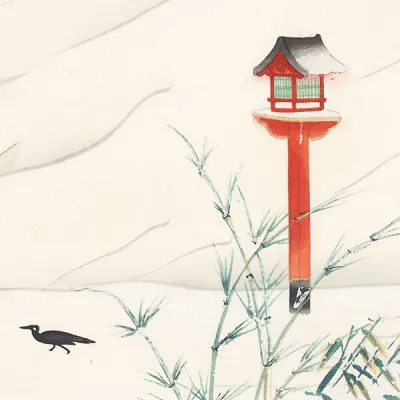
The first art piece is by Yamaguchi Hoshun (1893–1971), who was born in Hokkaido during the transformative years of the Meiji Period. His refined vision belongs to the tradition of nihonga, where nature is observed with patience and reverence rather than haste.
Completed in the 1950s, this exquisite portrayal of a kingfisher reveals the quiet mastery of Hoshun’s brush. The bird, poised in contemplative stillness, radiates both beauty and tension. Its gaze appears fixed upon the water below, and one can almost feel the moment before action — the silent pause before the kingfisher plunges to seize a glimmering fish beneath the surface. In this suspended instant, Hoshun captures not only the bird but the delicate rhythm of nature itself.
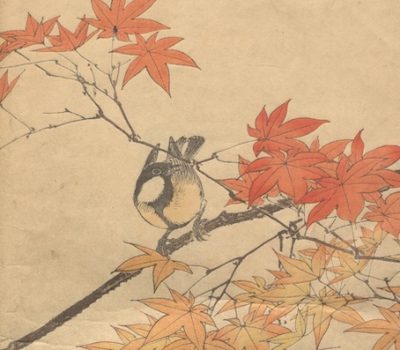
The next captivating work is by Imao Keinen (1845–1923), an artist celebrated for his kacho-e imagery — the poetic union of birds and flowers that has long enchanted Japanese aesthetics.
During his formative years, Keinen studied under Suzuki Hyakunen, whose guidance helped shape his technical foundations. Yet Keinen’s artistic spirit was also nourished by the cultural atmosphere of Kyoto. The city’s temples, gardens, and seasonal beauty subtly permeated his imagination.
Thus, the work above radiates an understated elegance. Nature is rendered with sensitivity and restraint, while the surrounding atmosphere evokes the refined cultural spirit of Kyoto itself. In Keinen’s hands, birds and flowers become more than natural forms—they transform into quiet symbols of harmony, culture, and enduring beauty.
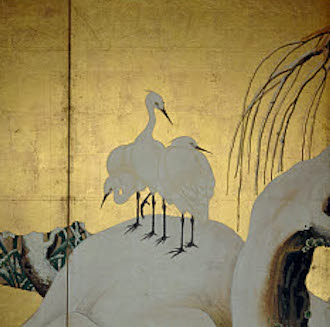
The final art piece is by Watanabe Shikō (1683–1755). He flourished during the cultural vibrancy of the Edo Period, an era when artistic expression drew deeply from religious devotion, refined courtly culture, and the lively world of ukiyo-e printmaking.
Born in the historic city of Kyoto, Shikō absorbed the profound cultural and spiritual atmosphere that surrounded him. Accordingly, he drew inspiration from sacred and historic centers such as Mount Kōya, Nara, and Negoro-ji, alongside the rich artistic traditions of his native Kyoto. These environments—steeped in faith, history, and aesthetic refinement—quietly shaped the sensibilities that would emerge in his art.

Modern Tokyo News is part of the Modern Tokyo Times group
http://moderntokyotimes.com Modern Tokyo Times – International News and Japan News
https://www.pinterest.co.uk/moderntokyotimes/ Modern Tokyo Times is now on PINTEREST
http://sawakoart.com – Sawako Utsumi’s website and Modern Tokyo Times artist
https://moderntokyonews.com Modern Tokyo News – Tokyo News and International News
PLEASE JOIN ON TWITTER
https://twitter.com/MTT_News Modern Tokyo Times